RESTLESS STATES
RESTLESS STATES
Mary Bishop, June Gutman, Matt Lock, and L.W.D.
JANUARY 22 - MARCH 4, 2026
In psychology, the term “restless states” describes a condition of heightened internal tension and unease that emerges from within—a flicker of thought oscillating between impulse and reflection, clarity and confusion. This restlessness is not merely agitation; it is a generative force, an internal summoning that urges the body to surrender, to translate unease into form. Although the four artists featured in Restless States differ mightily in their visual languages, they share a common impulse to engage with a kind of existential unease that demands release, each navigating the currents of an inner anxiety that hovers between dreams and waking life, the half-seen and the fully formed.
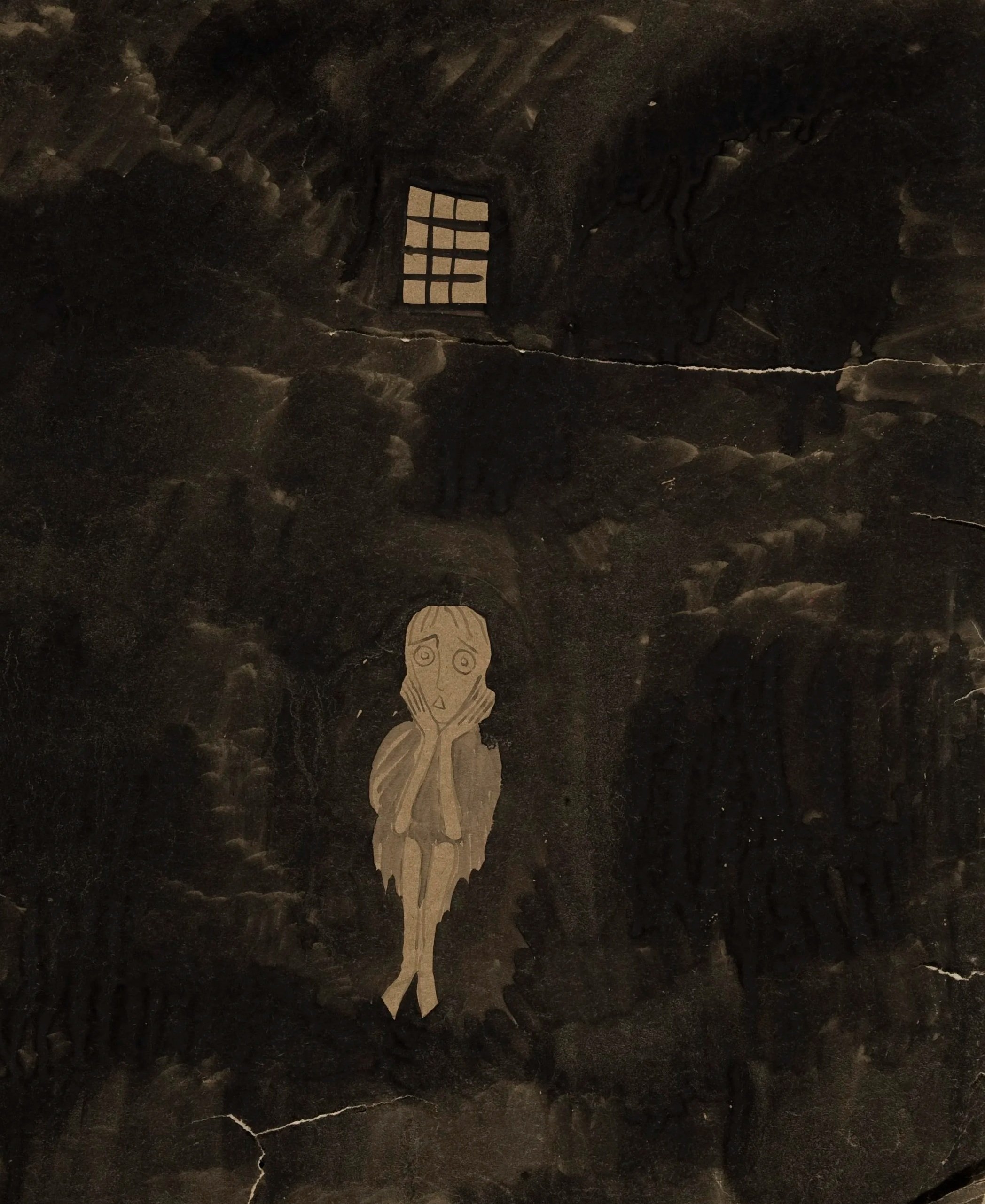
The conceptual impetus for this exhibition began with the work of Mary Bishop (1914–1990), whose psychologically charged drawings were preserved by ‘the father of art therapy’ Edward Adamson and are generously on loan from the Adamson Collection/Wellcome Collection. In 1956, Bishop was admitted to Netherne Asylum (later renamed Netherne Hospital) in Surrey, England. There, she spent roughly three decades producing thousands of works under the care of Adamson, who established a painting and drawing studio at the Asylum and pioneered the use of inpatient artwork to aid in the diagnoses and treatment of individuals. The artist's prolific output underscores the power of the image as a site of self-expression, resistance, and survival. Her intimate, soulful drawings give voice to a lifetime of psychological suffering, institutional trauma, and existential angst that might otherwise have remained unseen or silenced.
Where Bishop’s work serves as a response to institutional surveillance and confinement, June Gutman actively subverts the clinical walls of the institution by using the canvas as a space for radical emotional attunement. Moving beyond the restrictive definitions of "mental illness" that shaped her early years, Gutman descends into the hidden chambers of her own mind to uncover fragile links buried within its folds. Her work is at once instinctual and sharply purposeful, grotesque and unexpectedly funny. By weaving together art-historical echoes, fragments of popular culture, and even encounters with extraterrestrial forces, she creates a visual language that refuses to be categorized by a diagnosis.
This preoccupation with the "otherworldly" as a proxy for internal distress continues in the work of Matt Lock. In his drawings, Lock’s existential frustrations materialize into alien forms that inhabit a dystopian space, where line becomes both an instrument of observation and a record of the artist’s own pessimistic discomfort. Seen through a disturbing matrix of mutated flesh and circuitry, Lock’s damaged mindscapes unfold through dense accumulations of anxious lines. There is a palpable tension in his hand: meticulous yet frayed, with a paranoia that feels both architectural and organic. In Lock’s universe, the present reality unravels to reveal a post-apocalyptic future, tracing the internal mechanics of a mind at odds with its environment.
While Lock finds his "restless state" in a future unraveling, L.W.D. (aka Little White Dog) uses art to reclaim time forever lost. Upon being released from prison in 2019, after decades of incarceration, L.W.D. began to transform his past through creative expression into a positive future — painting his life experiences, reconstructing his identity, and processing the emotional and psychological impact of prison. Growing up in Watts/Compton amid classic car and lowrider culture, the archetype of the car and its inherent movement became powerful metaphors for the artist, symbolizing hope, escape, and freedom. In his recent series, titled Downtown Babylon, the artist paints crowded streets, police surveillance, memory, resilience, and the tensions of urban life. He bridges personal narrative with broader societal critiques of urban inequality, creating work that resonates far beyond Los Angeles. His paintings affirmatively show that trauma, marginalization, and disruption don’t only produce scars—they can produce art that matters, testifies, and demands to be seen.
Ultimately, Restless States brings together four artists whose works remain records of an unsettled pursuit, evidencing the inner turbulence that drives them to question, reconsider, and recast. When the apparitions of the mind beckon to be released in form, the hand becomes primed for gesture even in the absence of clear direction. The resulting works are not fixed statements but living traces of thought made visible, each one revealing the tension, curiosity, and persistence that drive the artists onward.
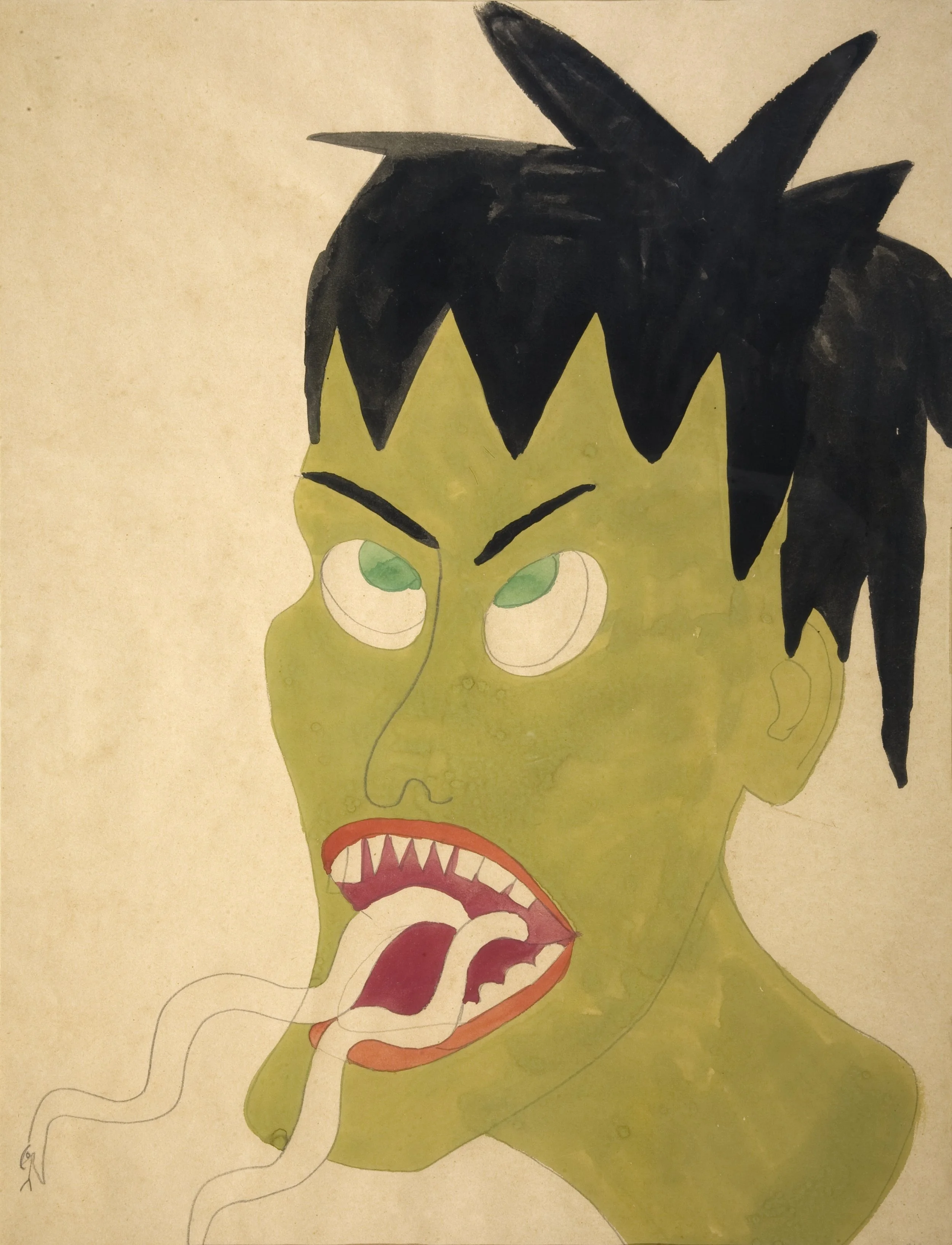
Mary Bishop (1914-1990)
The Horrors of Intercourse, 1963
poster paint on paper
22 x 18 in.
55 x 45 cm
Adamson Collection/Wellcome Collection. Courtesy of Wellcome Collection.
Copyright Adamson Collection Trust
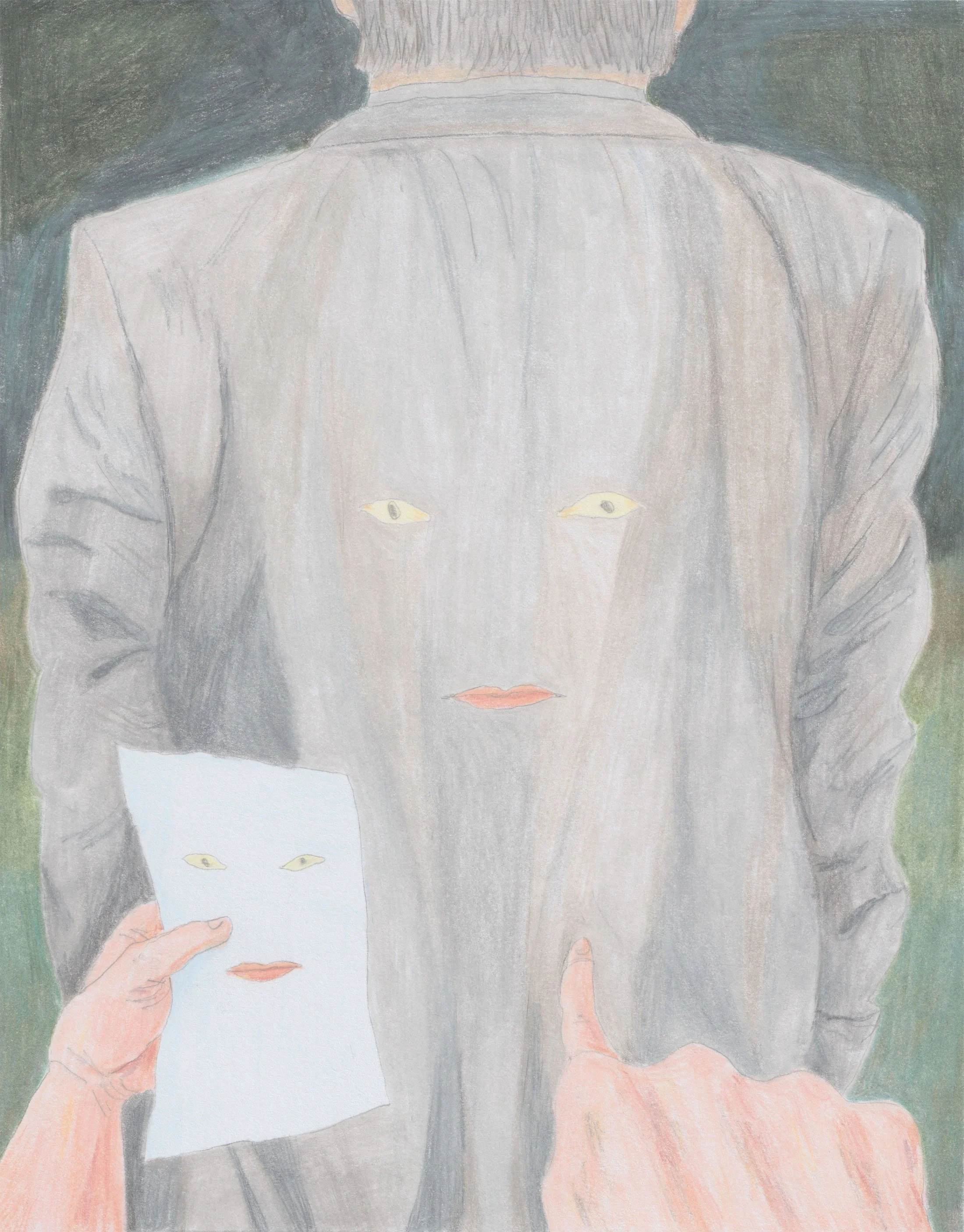
June Gutman (b. 1995)
Track Down, 2025
pencil, colored pencil on paper
10 x 8 in. | 25 x 20 cm
Courtesy of Kishka Gallery & Library
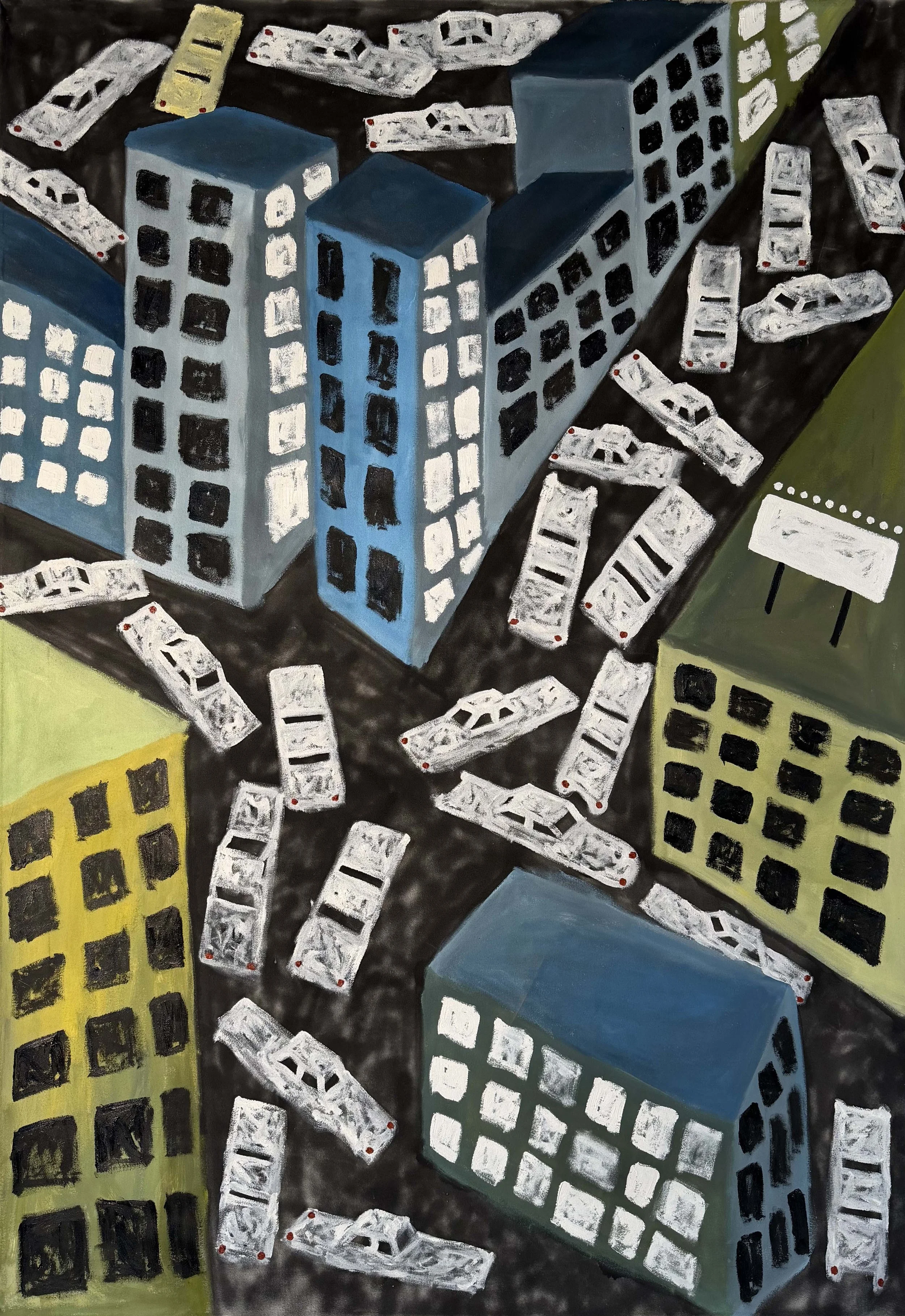
L.W.D. (b. 1957)
Downtown Babylon, 2025
oil on canvas
55 x 79 x 2 in. | 139 x 200 x 5 cm
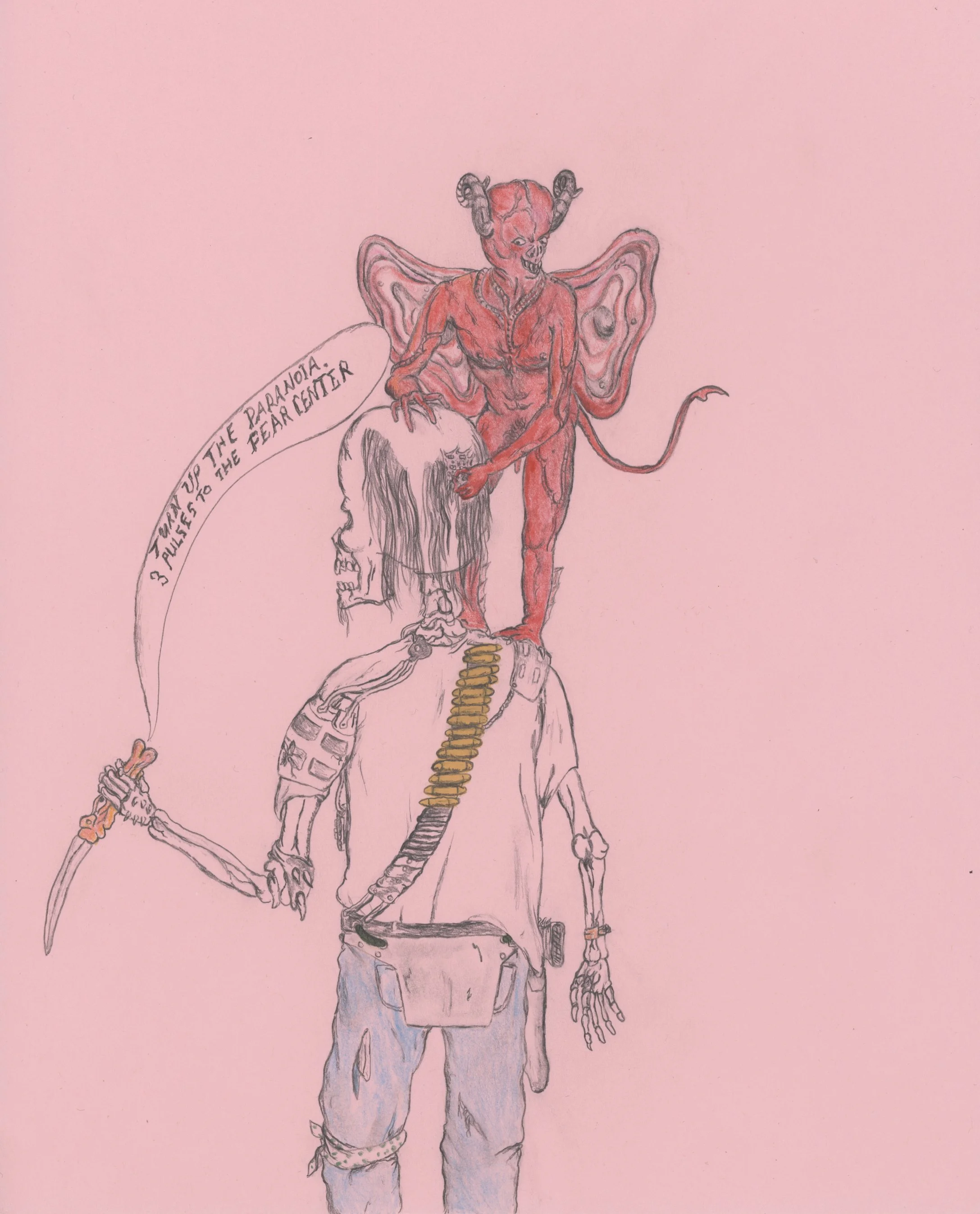
Matt Lock (b. 1984)
Subserviance to Killing Device, 2020
ink, pencil, and marker on paper
11 x 8½ in. | 27 x 21 cm
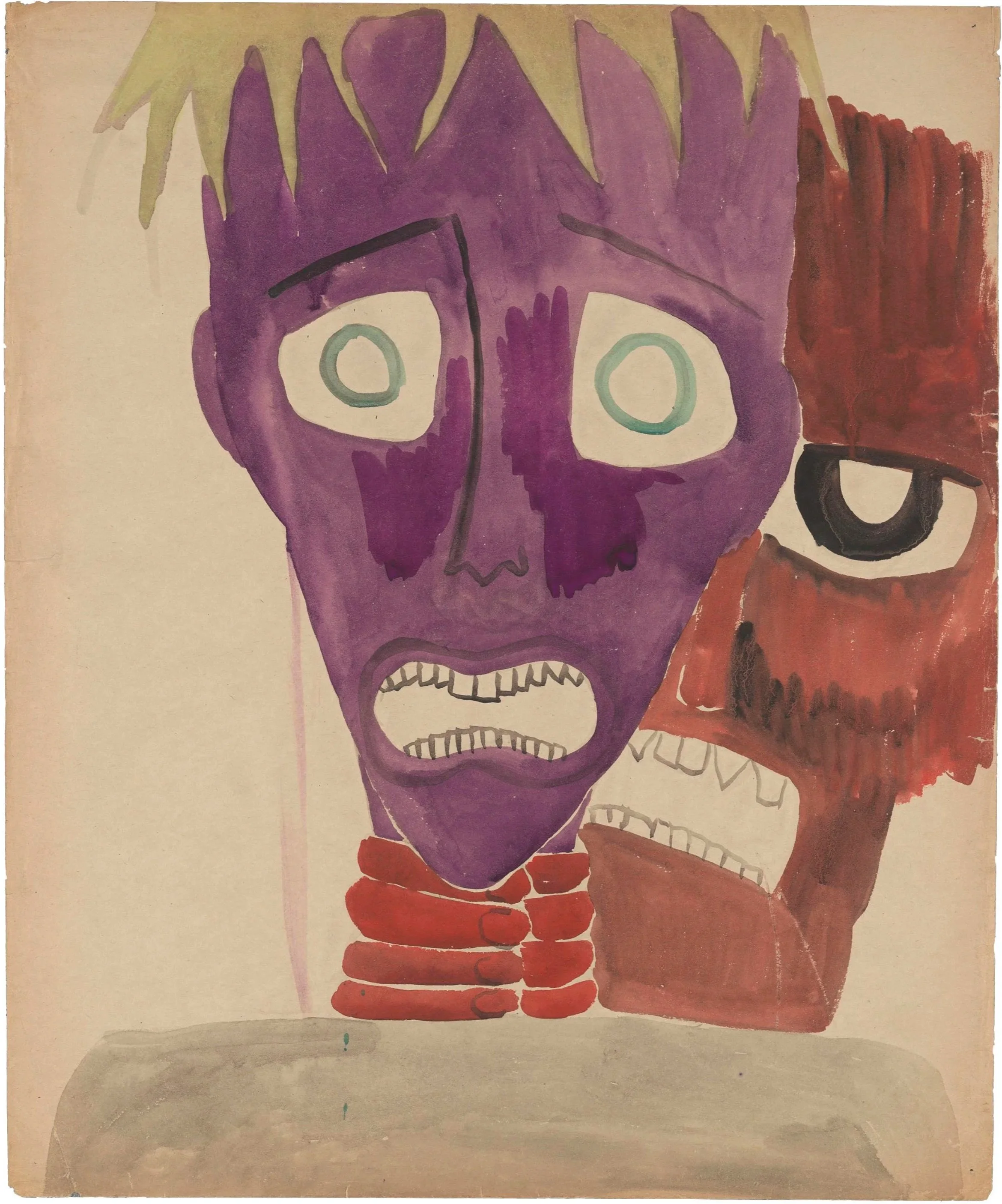
Mary Bishop (1914-1990)
Untitled, 1958
poster paint on paper
22 x 18 in.
55 x 45 cm
Adamson Collection/Wellcome Collection. Courtesy of Wellcome Collection.
Copyright Adamson Collection Trust
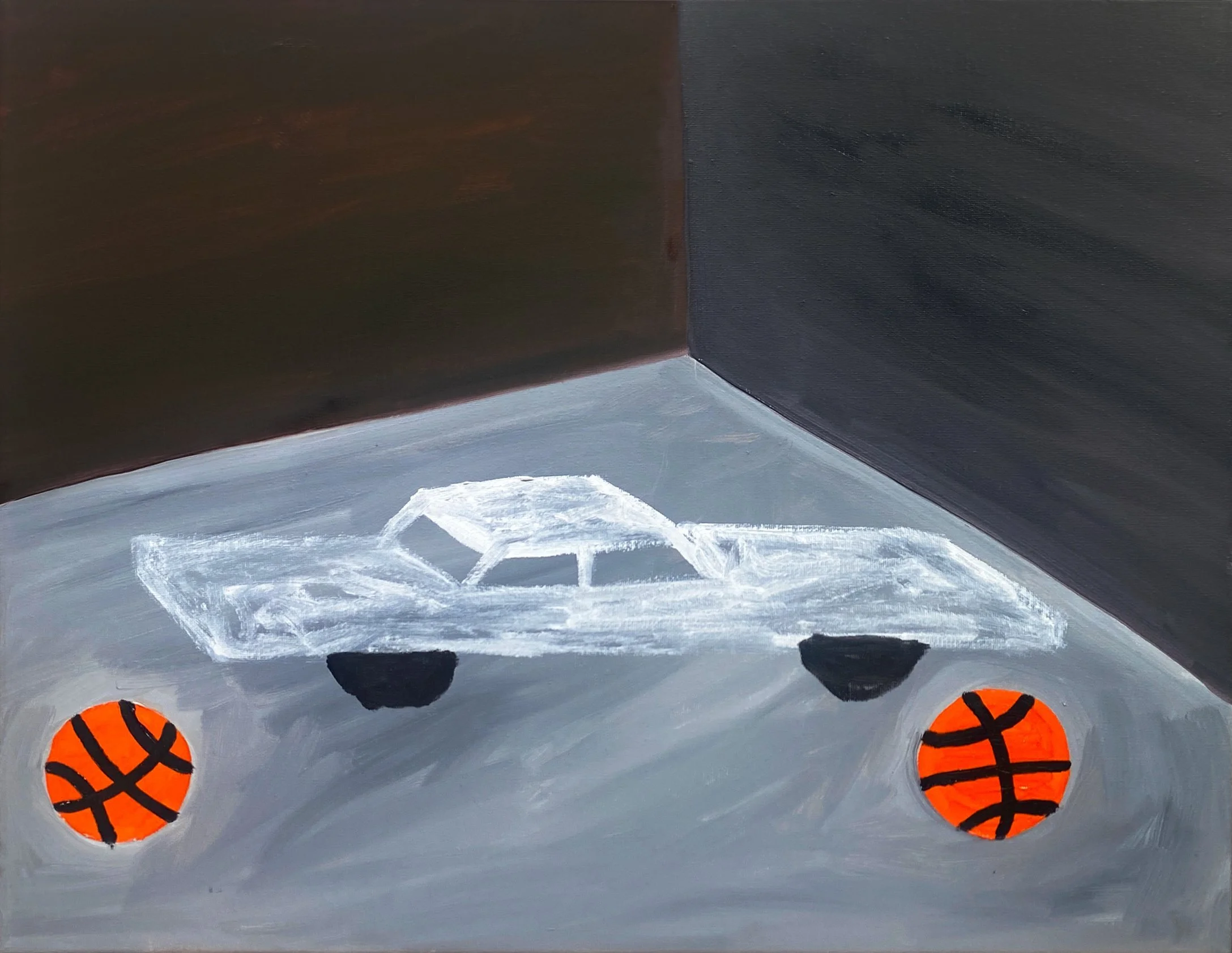
L.W.D. (b. 1957)
Me Against Me # 1, 2024
oil on canvas
20 x 16 x ½ in.
50 x 40 x 1 cm
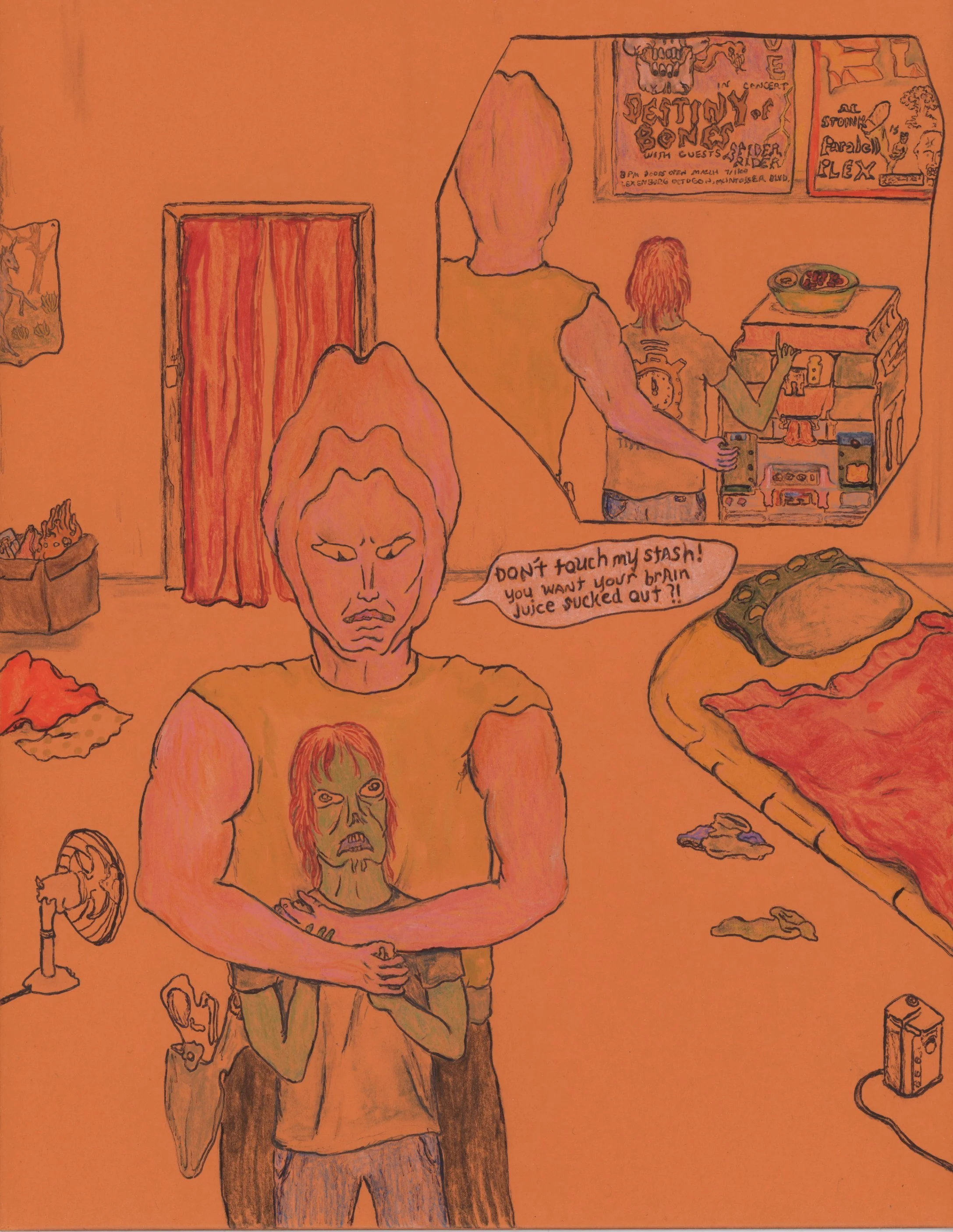
Matt Lock (b. 1984)
Roomate Rules To Follow, 2023
ink, pencil, and marker on chipboard
11 x 8½ in.
27 x 21 cm
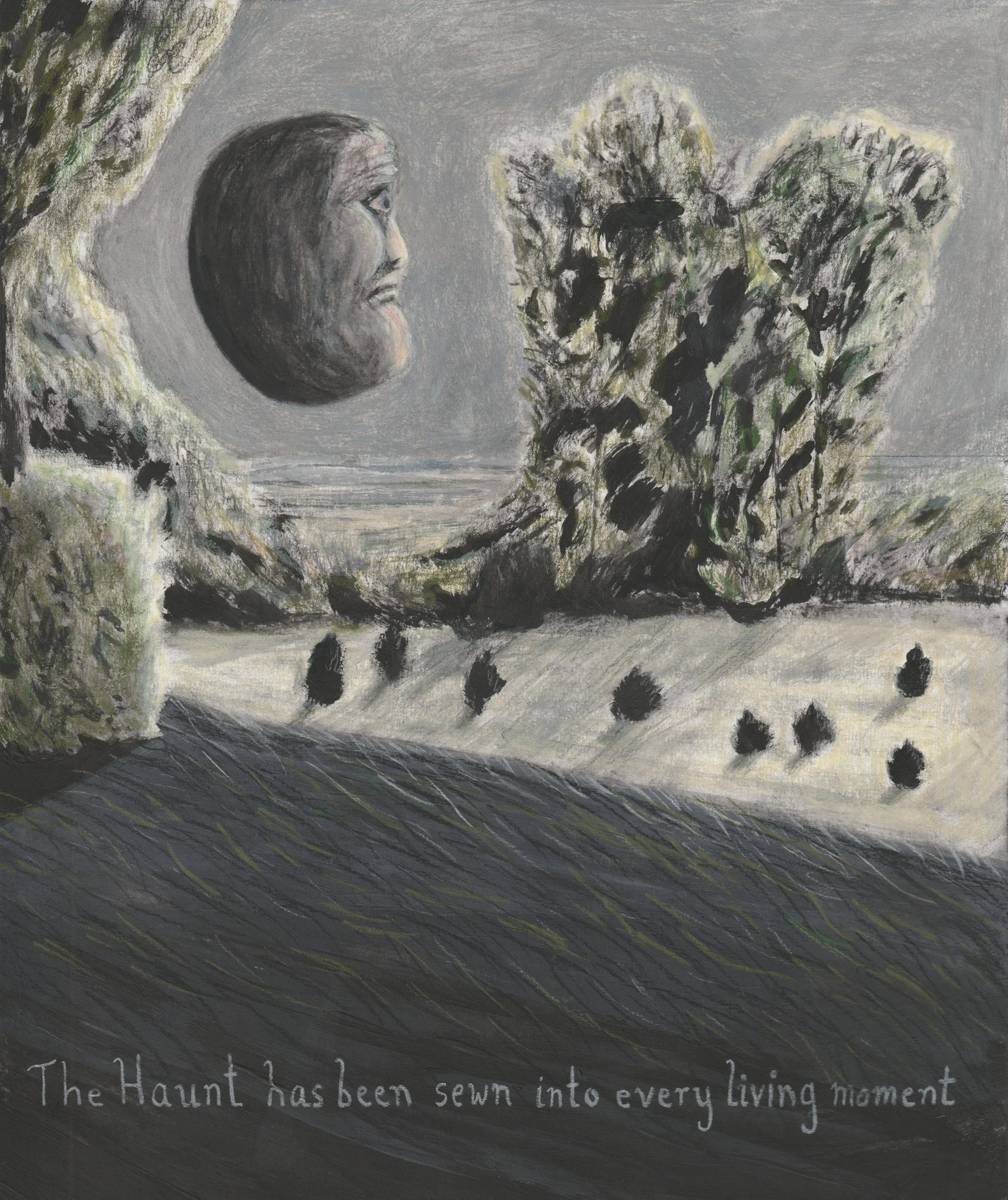
June Gutman (b. 1995)
The Haunt, 2025
acrylic, colored pencil and charcoal on paper
8 x 10 in.
20 x 25 cm
Courtesy of Kishka Gallery & Library

L.W.D. (b.1957)
Ghetto Bird, 2024
oil on canvas
16 x 20 x ½ in.
40 x 50 x 1 cm
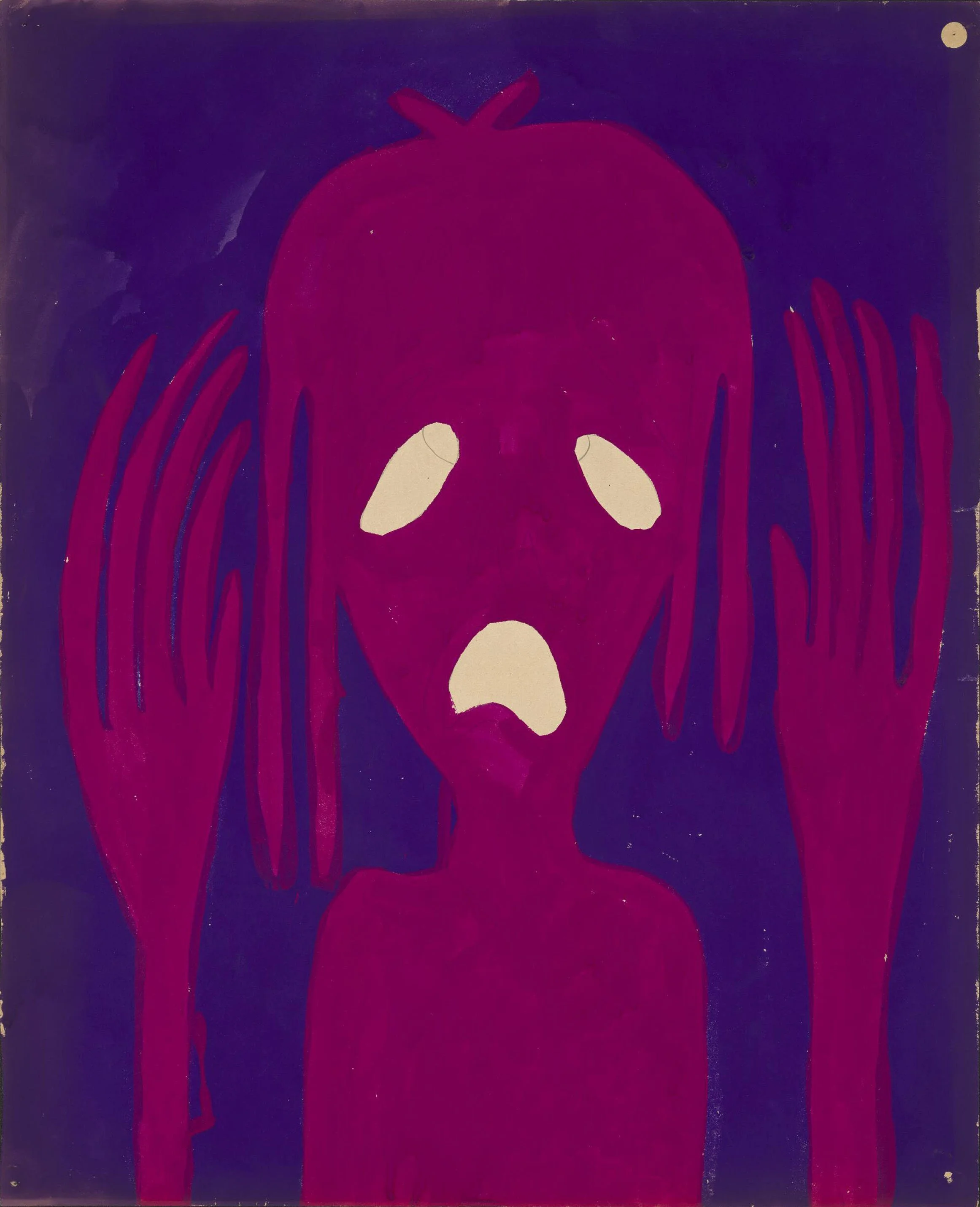
Mary Bishop (1914-1990)
Untitled, early 1960’s
poster paint on paper
22 x 18 in.
55 x 45 cm
Adamson Collection/Wellcome Collection. Courtesy of Wellcome Collection.
Copyright Adamson Collection Trust
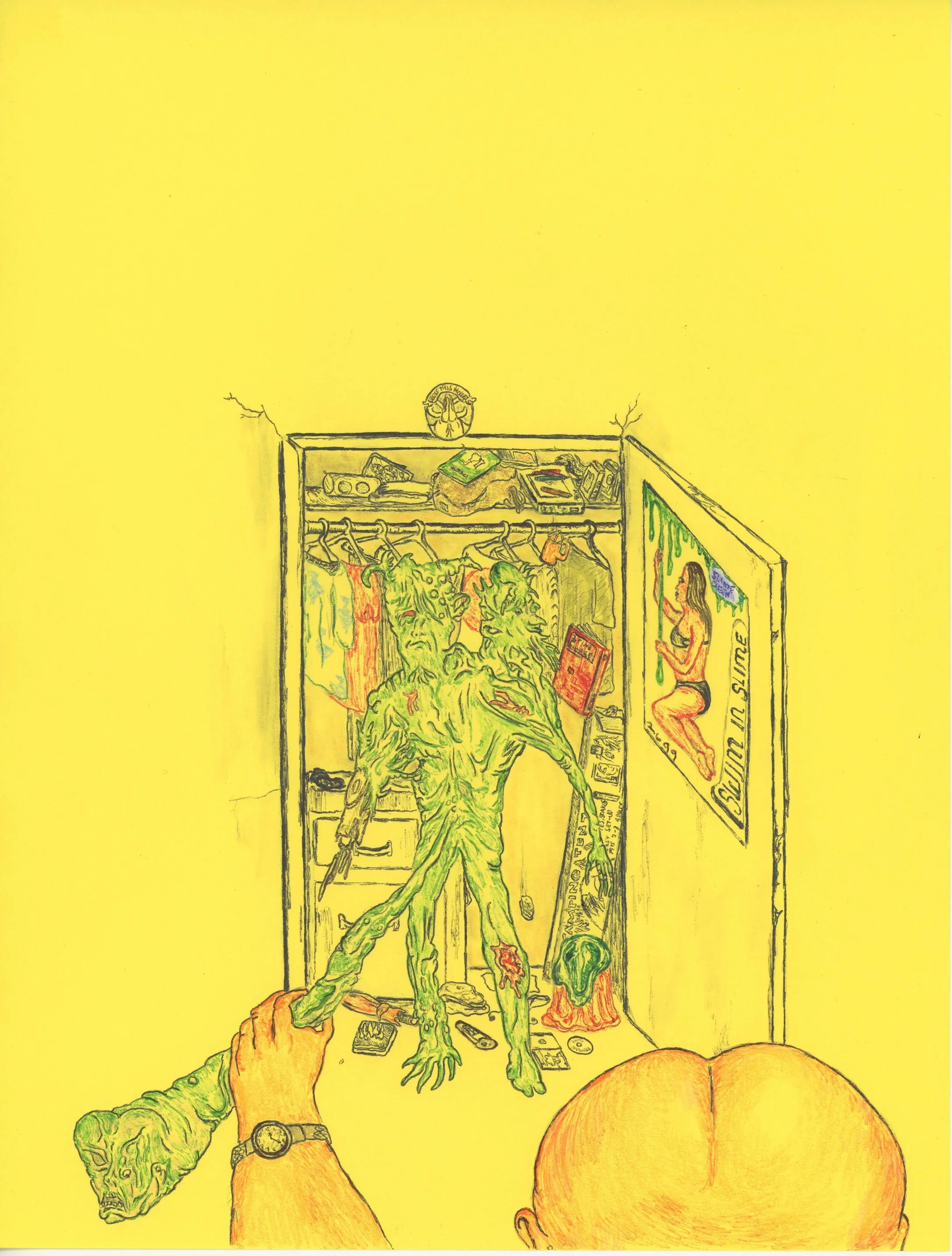
Matt Lock (b. 1984)
Mystery of The Teenage Closet, 2025
ink, pencil, and marker on paper
11 x 8½ in.
27 x 21 cm
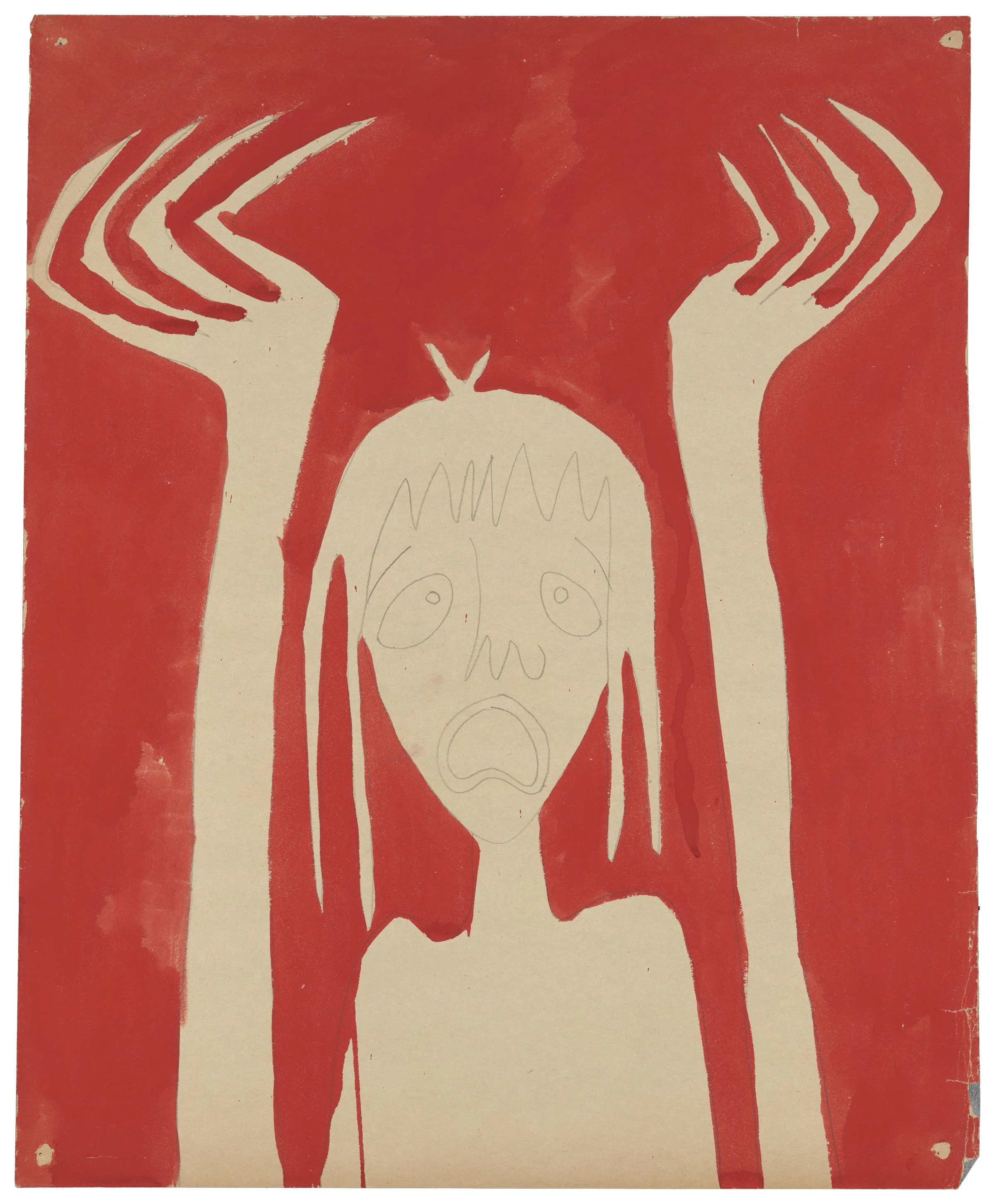
Mary Bishop (1914-1990)
Red Despair, 1962
poster paint on paper
22 x 18 in. | 55 x 45 cm
Adamson Collection/Wellcome Collection. Courtesy of Wellcome Collection.
Copyright Adamson Collection Trust
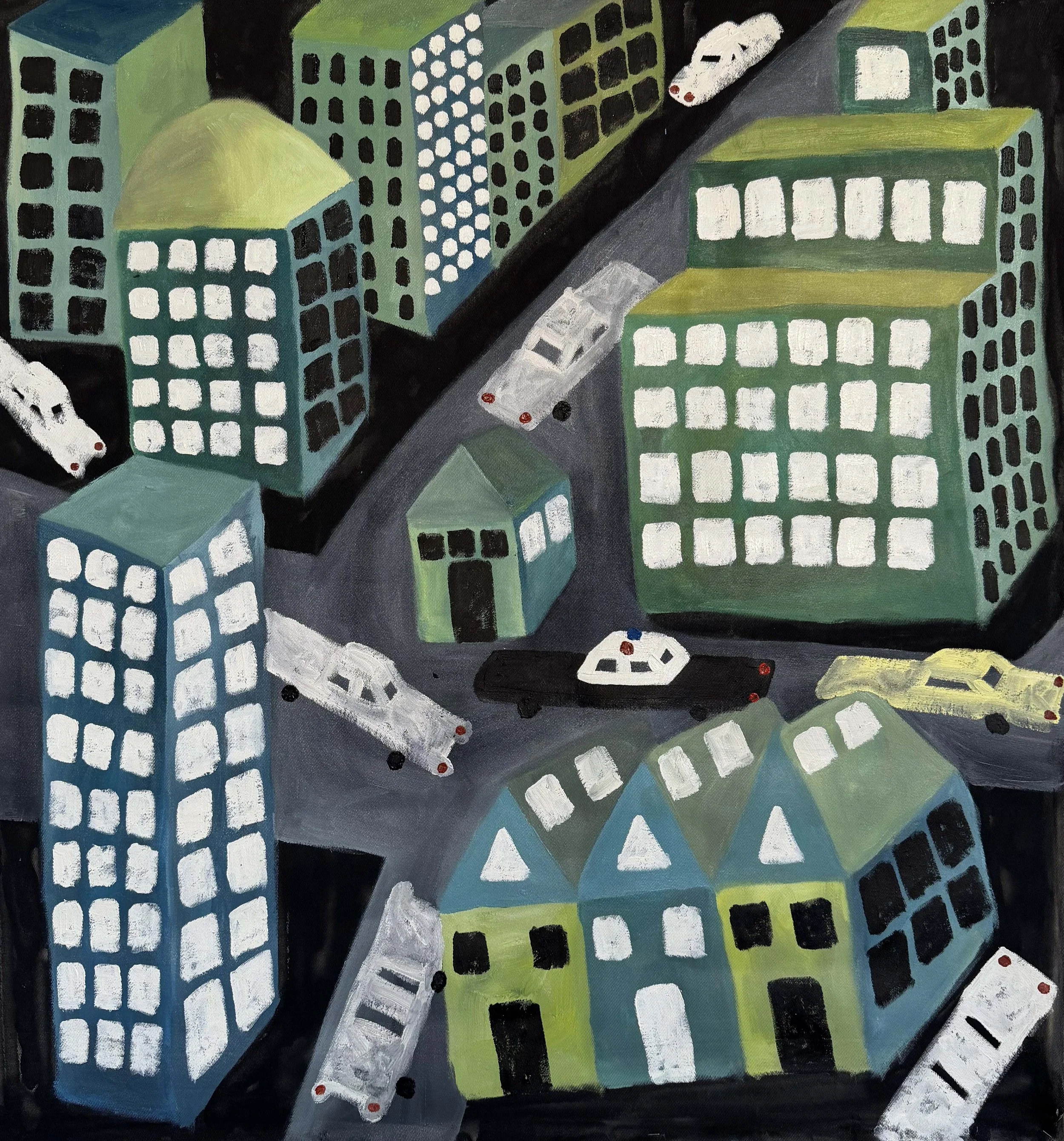
L.W.D. (b.1957)
Downtown Babylon, 2025
oil on canvas
42 x 38 x 1½ in.
106 x 96 x 3 cm
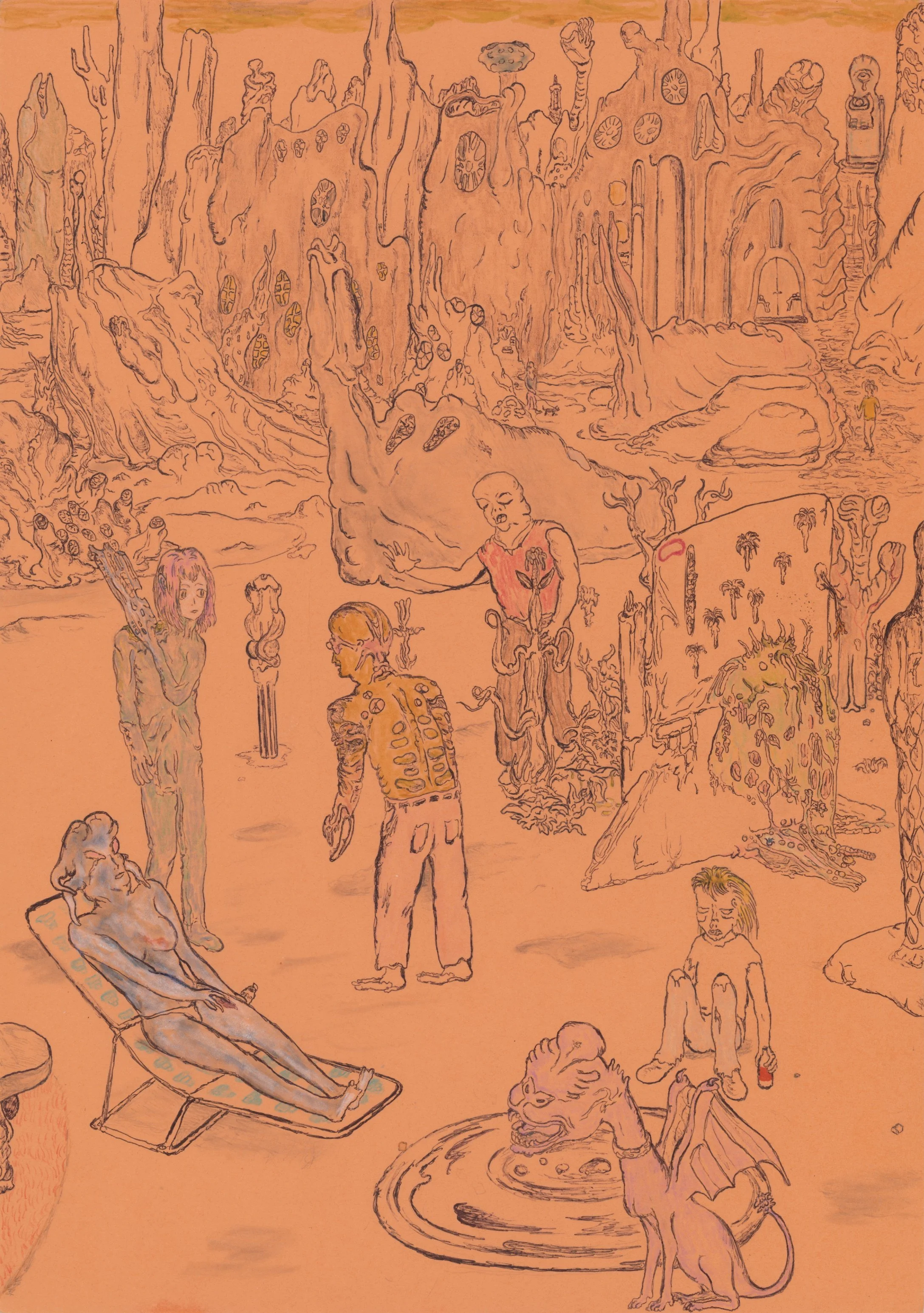
Matt Lock (b. 1984)
Couples Arguing at Thalidomide Springs, 2024
ink, pencil, and marker on paper
11¾ x 8¼ in.
29 x 21 cm
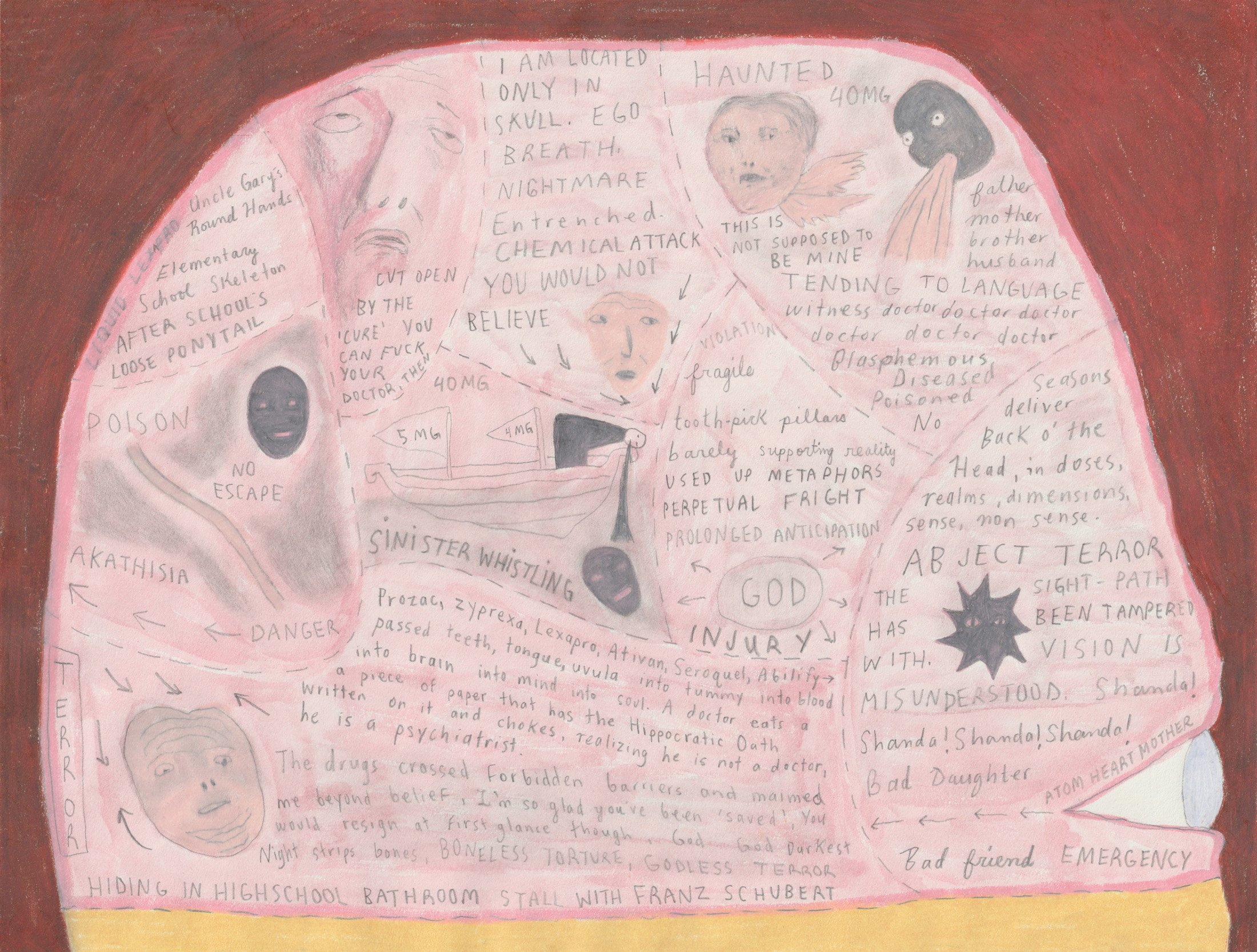
June Gutman (b. 1995)
Mind Map (framed), 2023
pencil, colored pencil, watercolor on paper
8 x 10 in.
20 x 25 cm
Courtesy of Kishka Gallery & Library
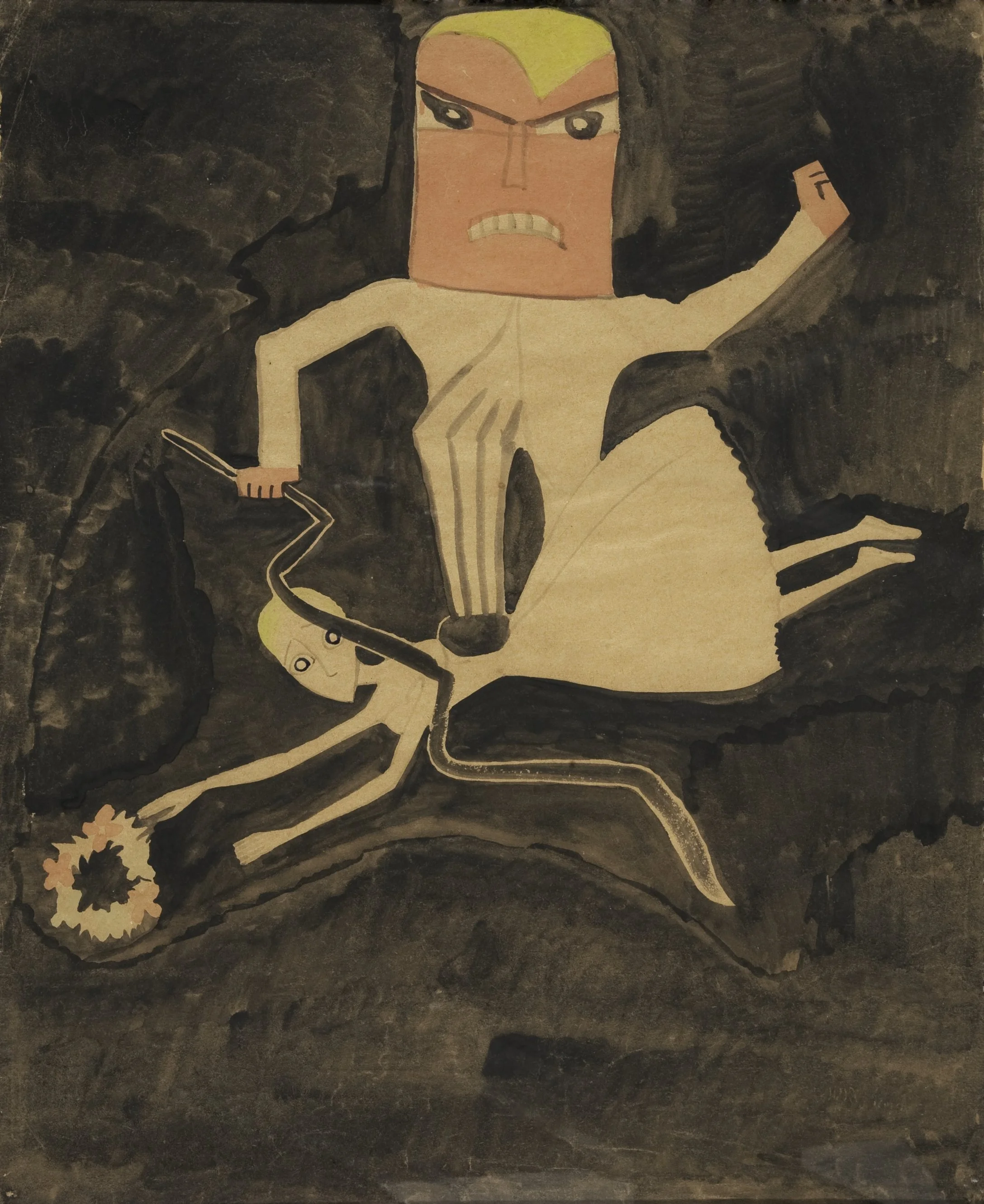
Mary Bishop (1914-1990)
Sadistic Doctor series, 1958
poster paint on paper
22 x 18 in.
55 x 45 cm
Adamson Collection/Wellcome Collection. Courtesy of Wellcome Collection.
Copyright Adamson Collection Trust
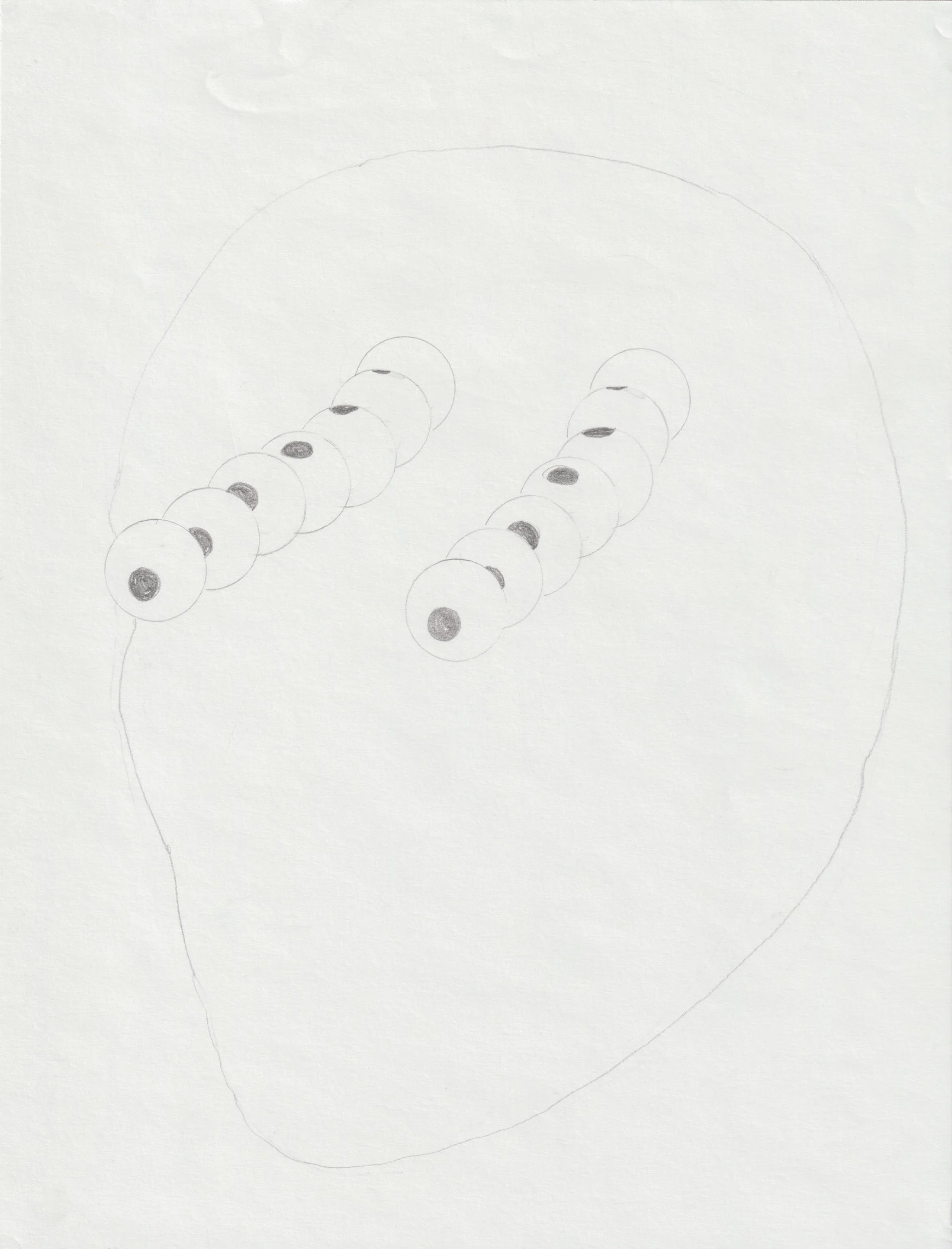
June Gutman (b. 1995)
I Roll, 2024
pencil on paper
10 x 8 in.
25 x 20 cm
Courtesy of Kishka Gallery & Library
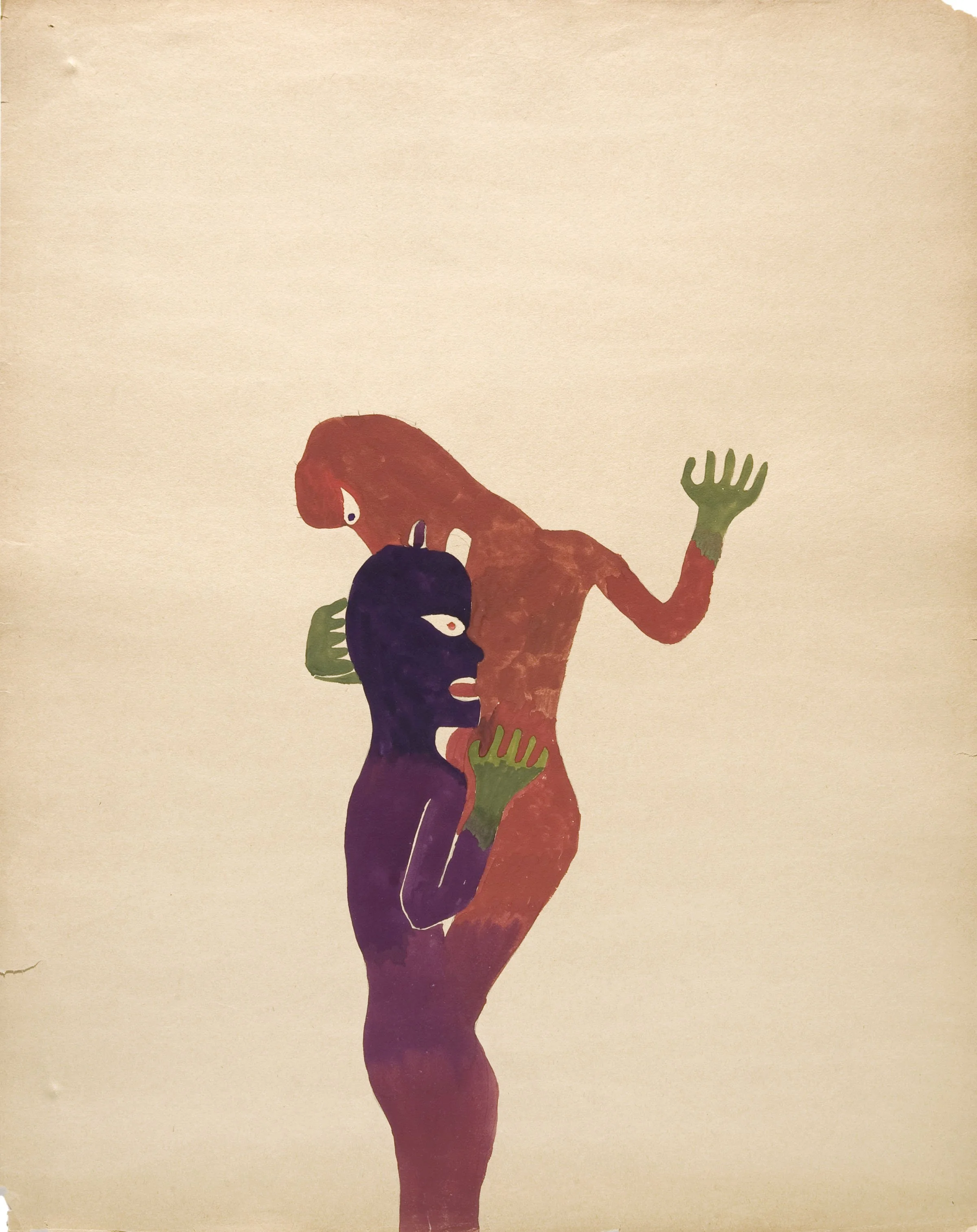
Mary Bishop (1914-1990)
Untitled, 1959
poster paint on paper
22 x 18 in.
55 x 45 cm
Adamson Collection/Wellcome Collection. Courtesy of Wellcome Collection.
Copyright Adamson Collection Trust
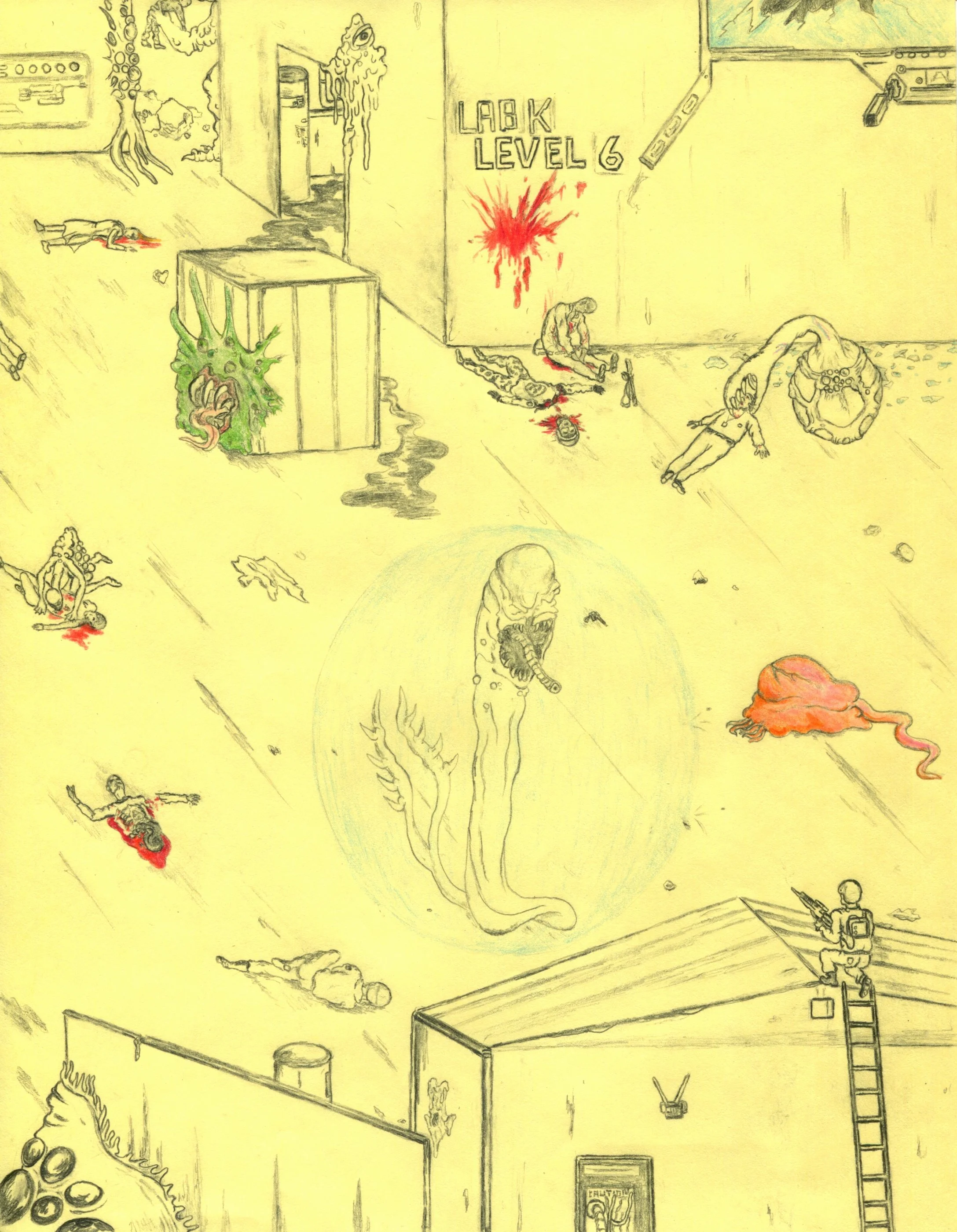
Matt Lock (b. 1984)
Chaos At Chimera Research Laboratories, 2018
pencil and marker on paper
11 x 8½ in.
27 x 21 cm
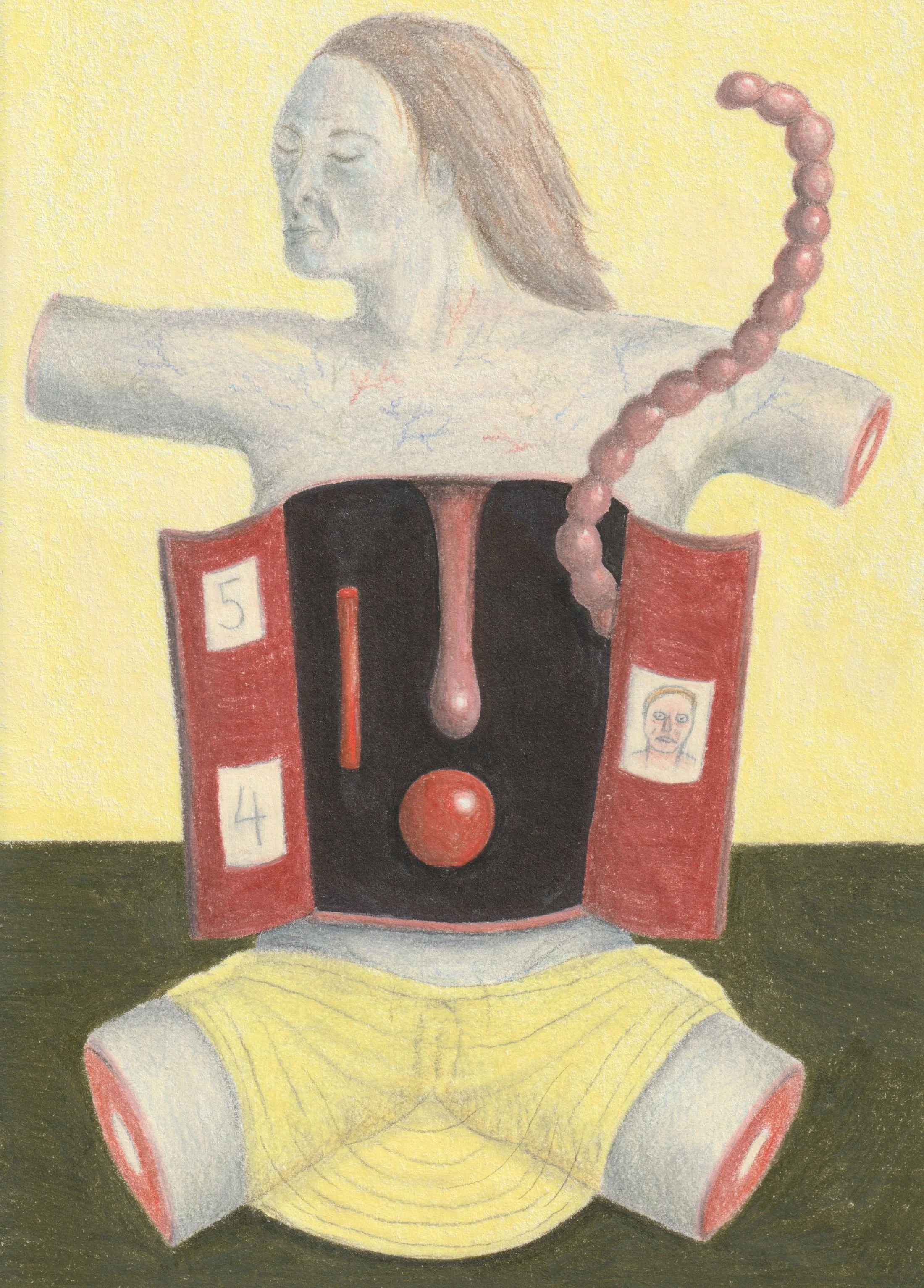
June Gutman (b. 1995)
Ouverture, 2025
Pencil, colored pencil, marker on paper
7 x 5 in.
17 x 12 cm
Courtesy of Kishka Gallery & Library

L.W.D. (b. 1957)
Kent State Shooting, 2023
oil on canvas
16 x 20 x ½ in.
40 x 50 x 1 cm

L.W.D. (b. 1957)
Downtown Babylon, 2025
oil on canvas
21 x 16 x 1½ in. | 53 x 40 x 3 cm

L.W.D. (b. 1957)
Business Trip, 2024
oil on canvas
16 x 20 x ½ in.
40 x 50 x 1 cm

June Gutman (b. 1995)
Rods and Cones, 2025
Pen, marker on paper
12 x 8 in.
30 x 20 cm
Courtesy of Kishka Gallery & Library
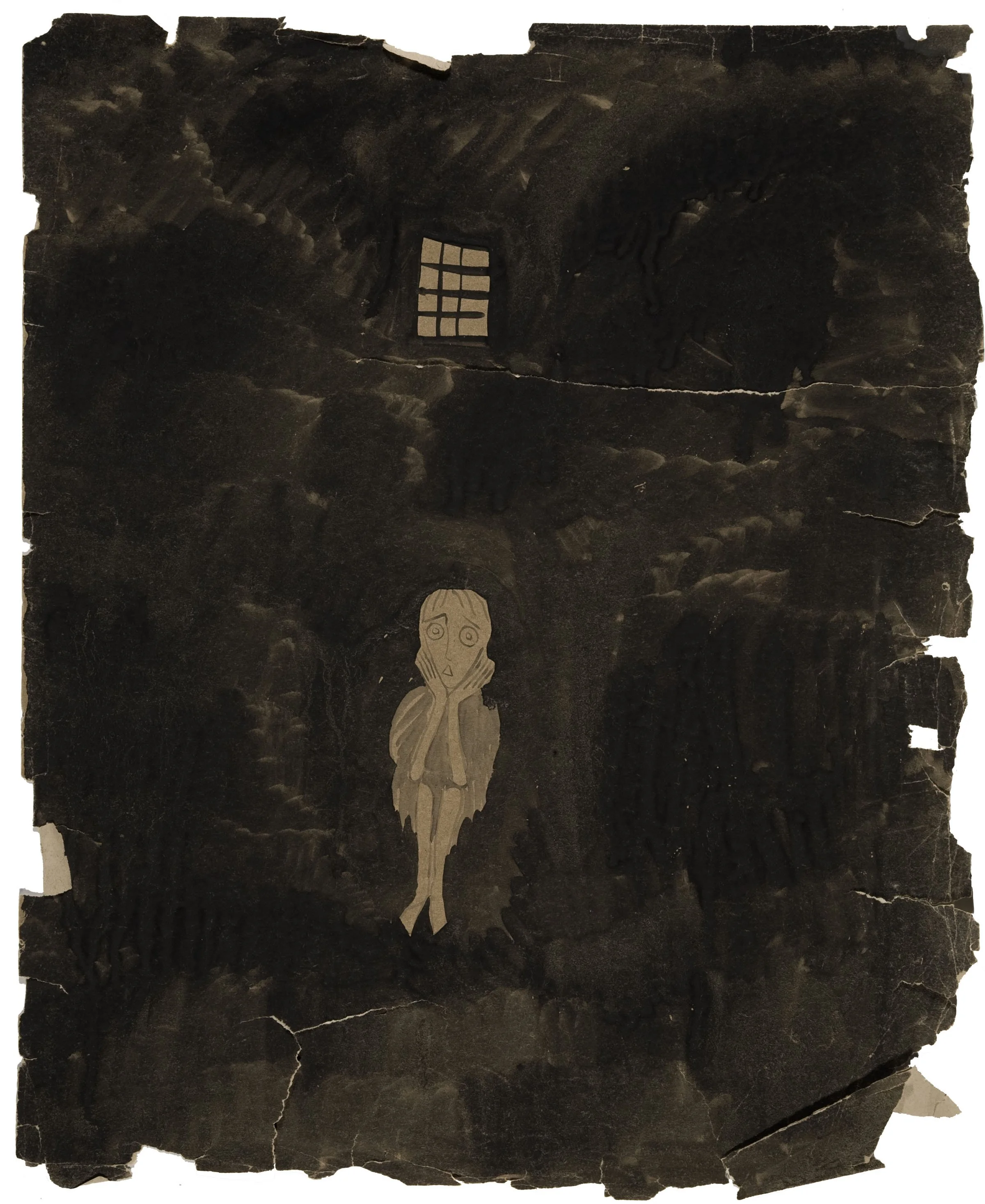
Mary Bishop (1914-1990)
Untitled, 1958
poster paint on paper
22 x 18 in.
55 x 45 cm
Adamson Collection/Wellcome Collection. Courtesy of Wellcome Collection.
Copyright Adamson Collection Trust
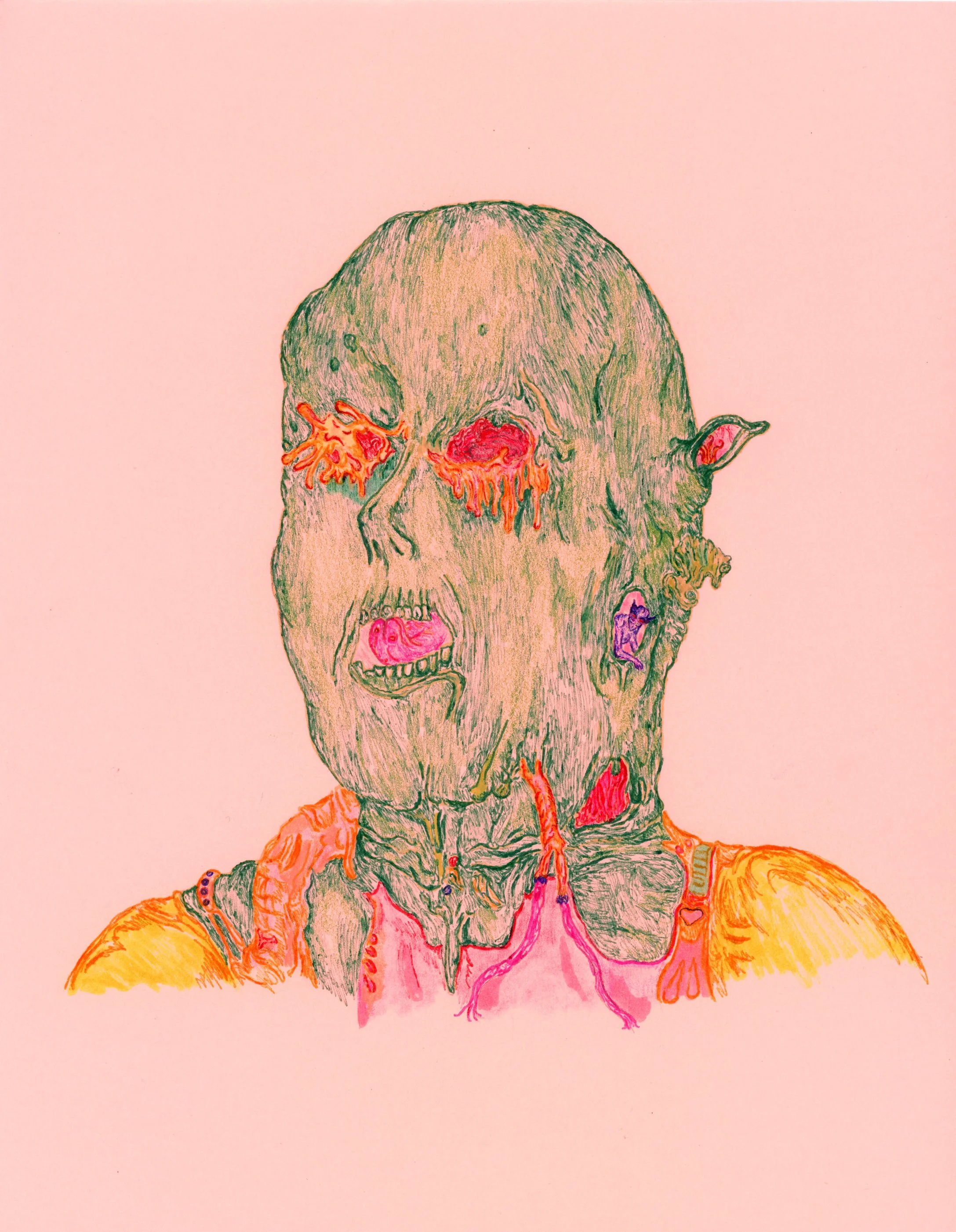
Matt Lock (b. 1984)
Portrait of A Resurrected Chymist, 2025
ink, marker, and pencil on paper
11 x 8½ in.
27 x 21 cm
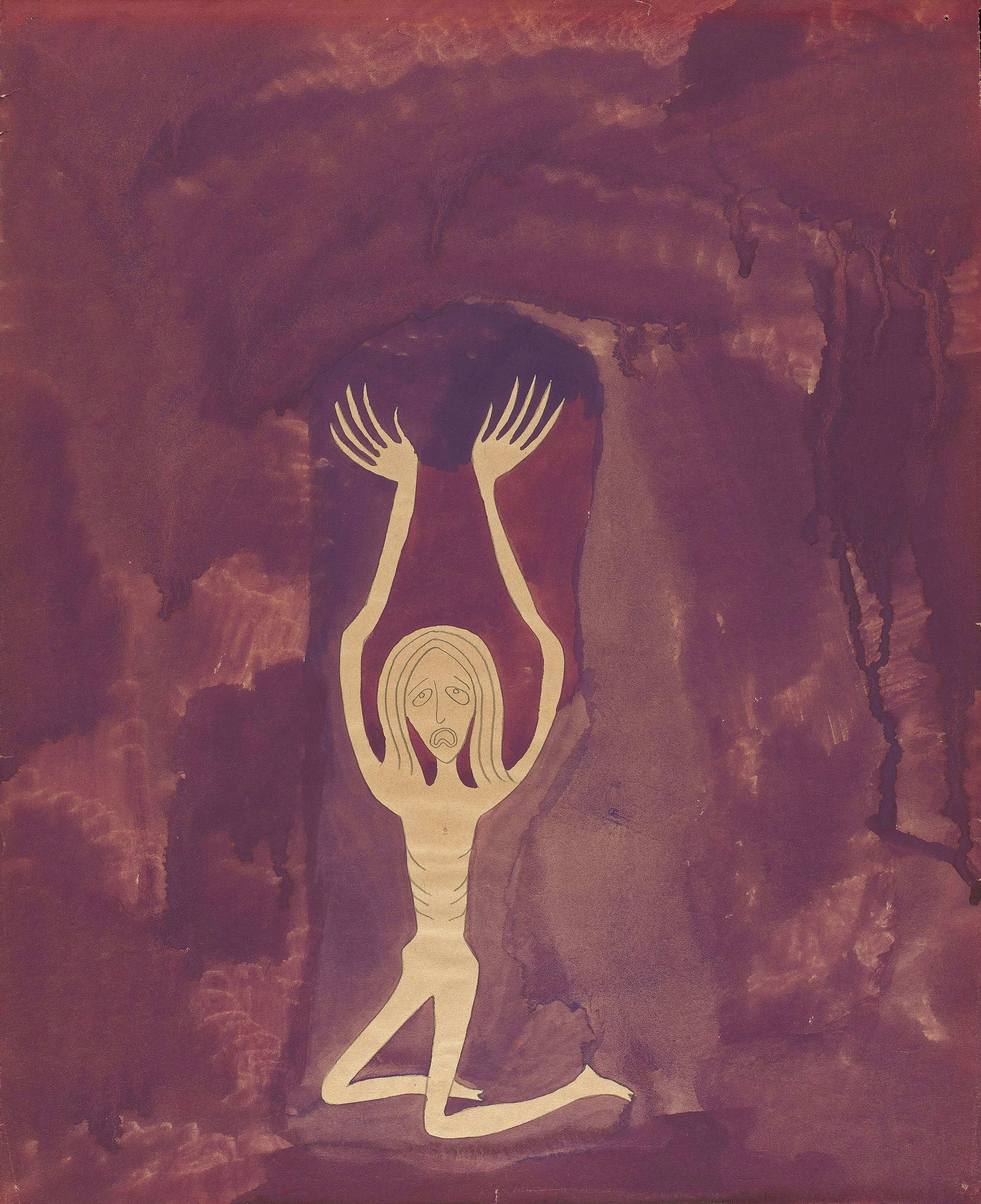
Mary Bishop (1914-1990)
Untitled, late 1950’s
poster paint on paper
22 x 18 in.
55 x 45 cm
Adamson Collection/Wellcome Collection. Courtesy of Wellcome Collection.
Copyright Adamson Collection Trust
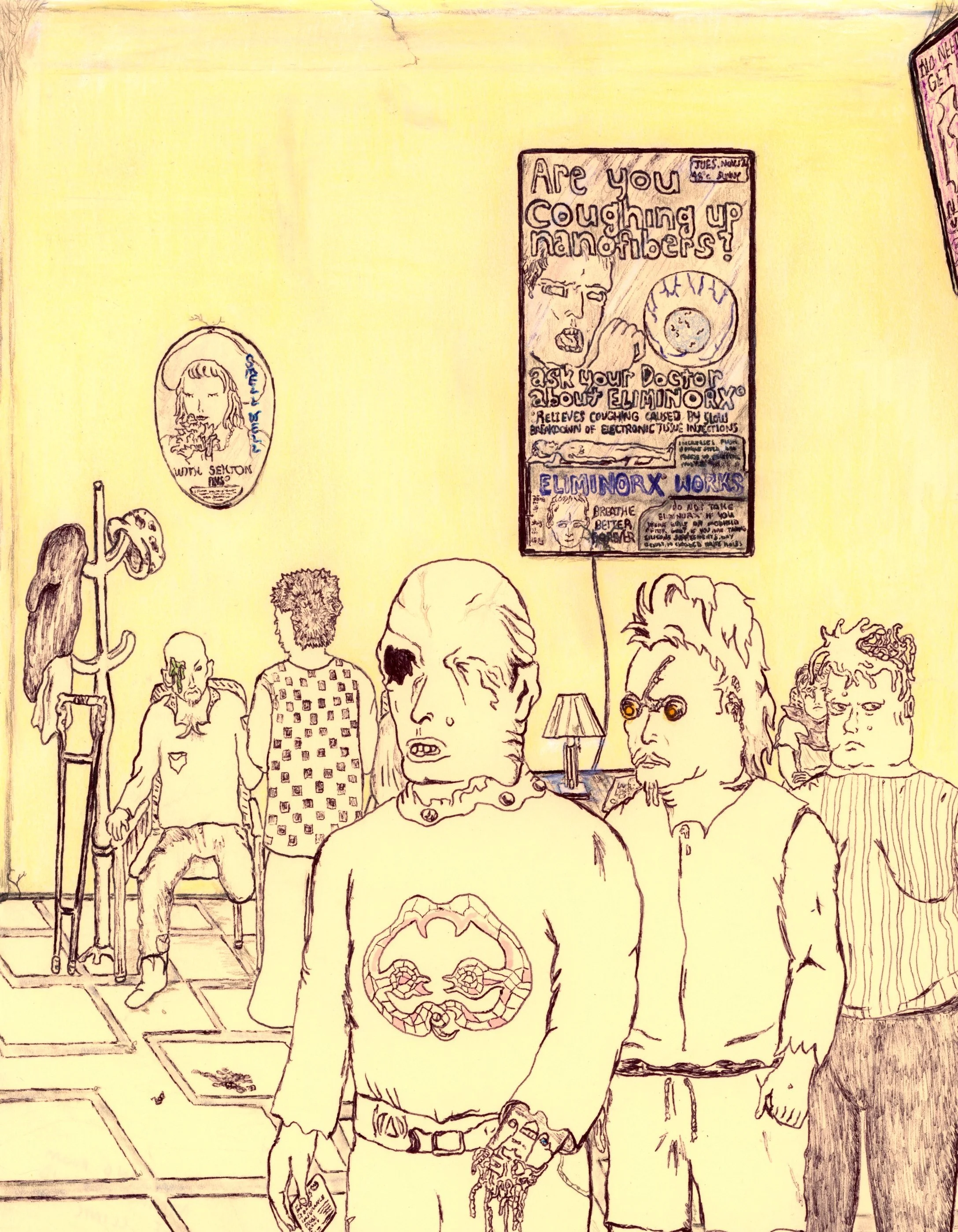
Matt Lock (b. 1984)
Waiting Room at The Flesh-Mesh Damage Clinic, 2025
ink, pencil, and marker on paper
11 x 8½ in.
27 x 21 cm
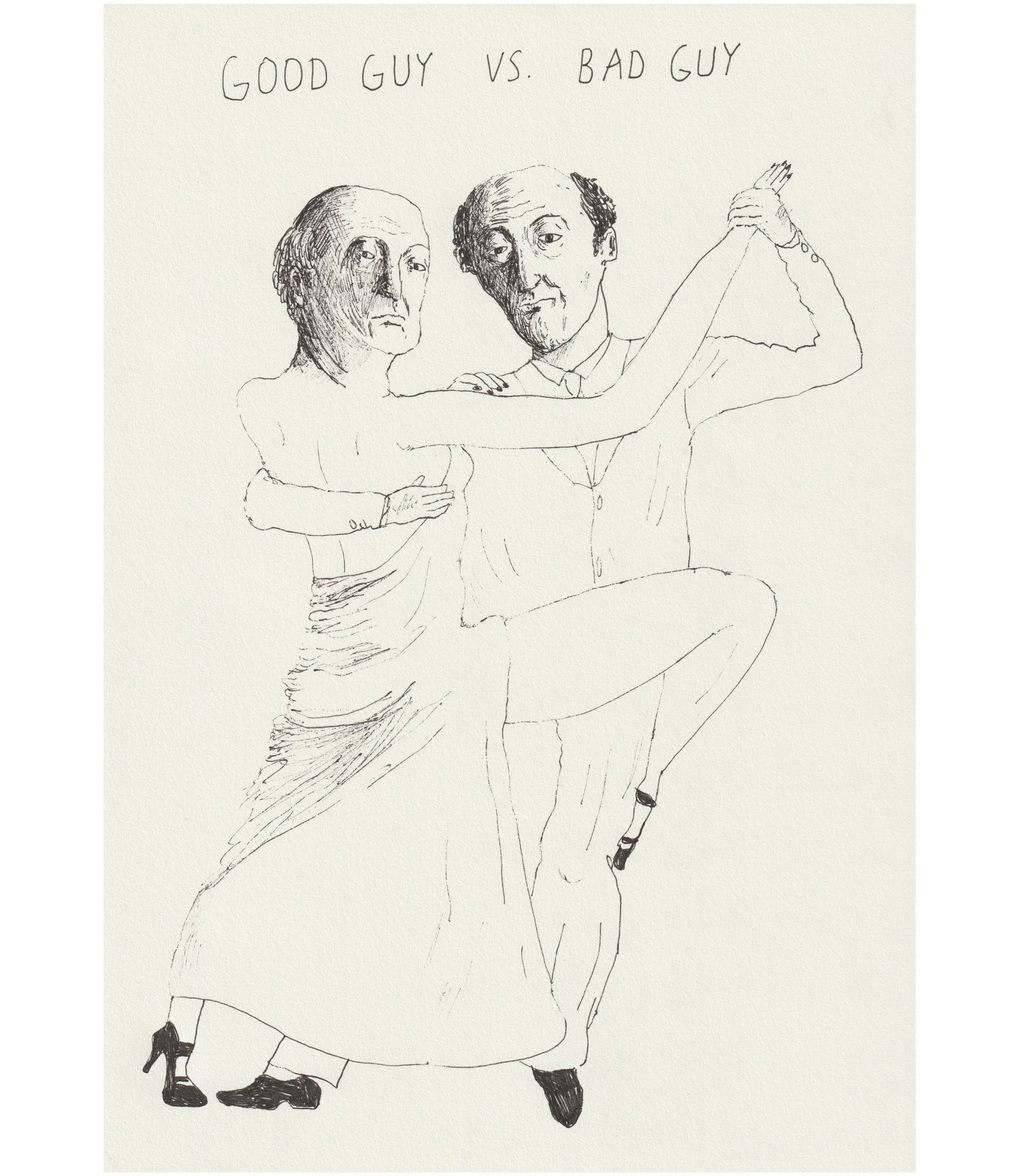
June Gutman (b. 1995)
Good Guy Bad Guy, 2025
pen on paper
12 x 8 in.
30 x 20 cm
Courtesy of Kishka Gallery & Library

L.W.D. (b. 1957)
Jump the Fence, 2024
oil on canvas
16 x 20 x ½ in.
40 x 50 x 1 cm
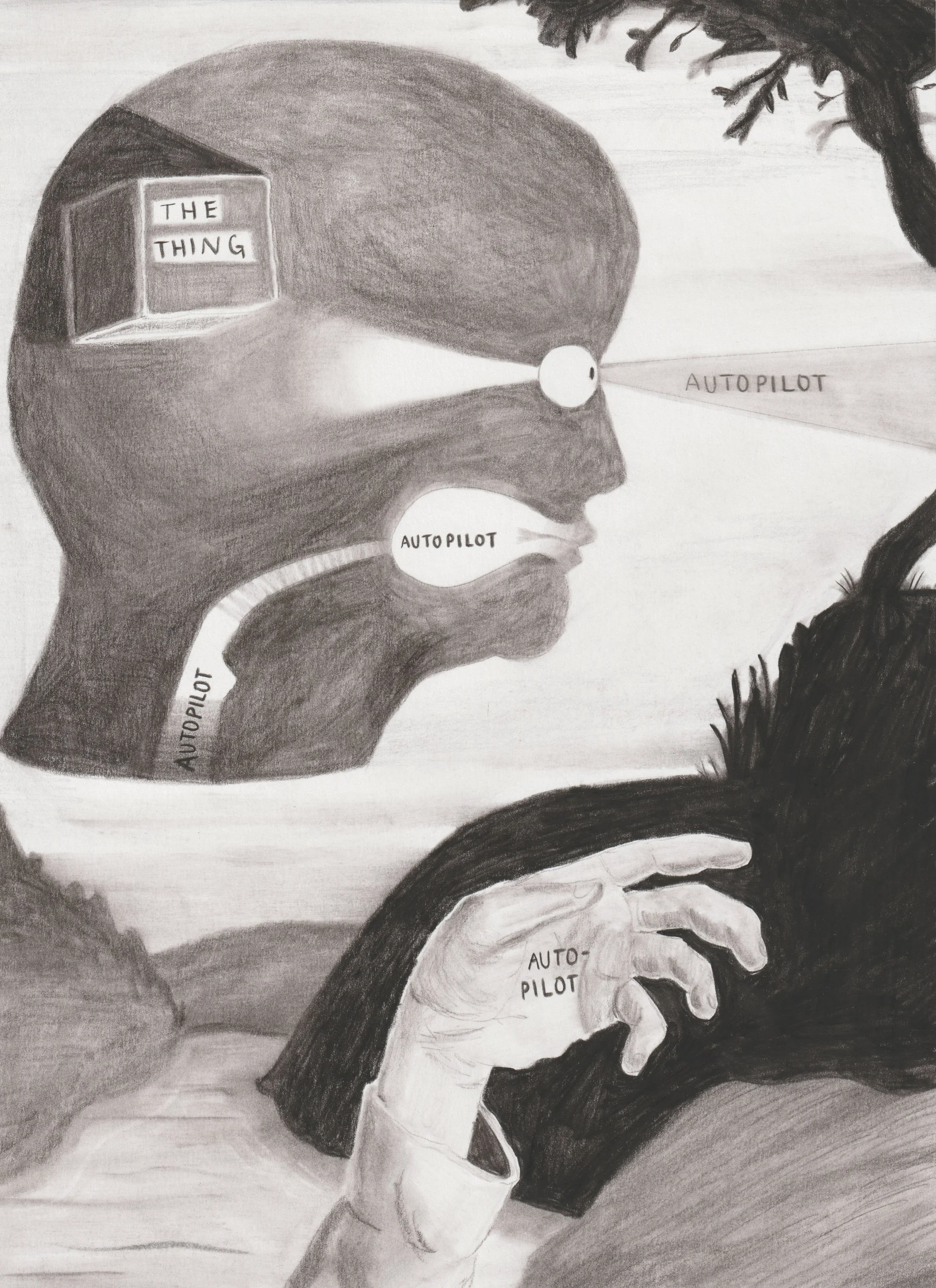
June Gutman (b. 1995)
Autopilot, 2025
pencil, charcoal on paper
11½ x 8½ in. | 29 x 21 cm
Courtesy of Kishka Gallery & Library
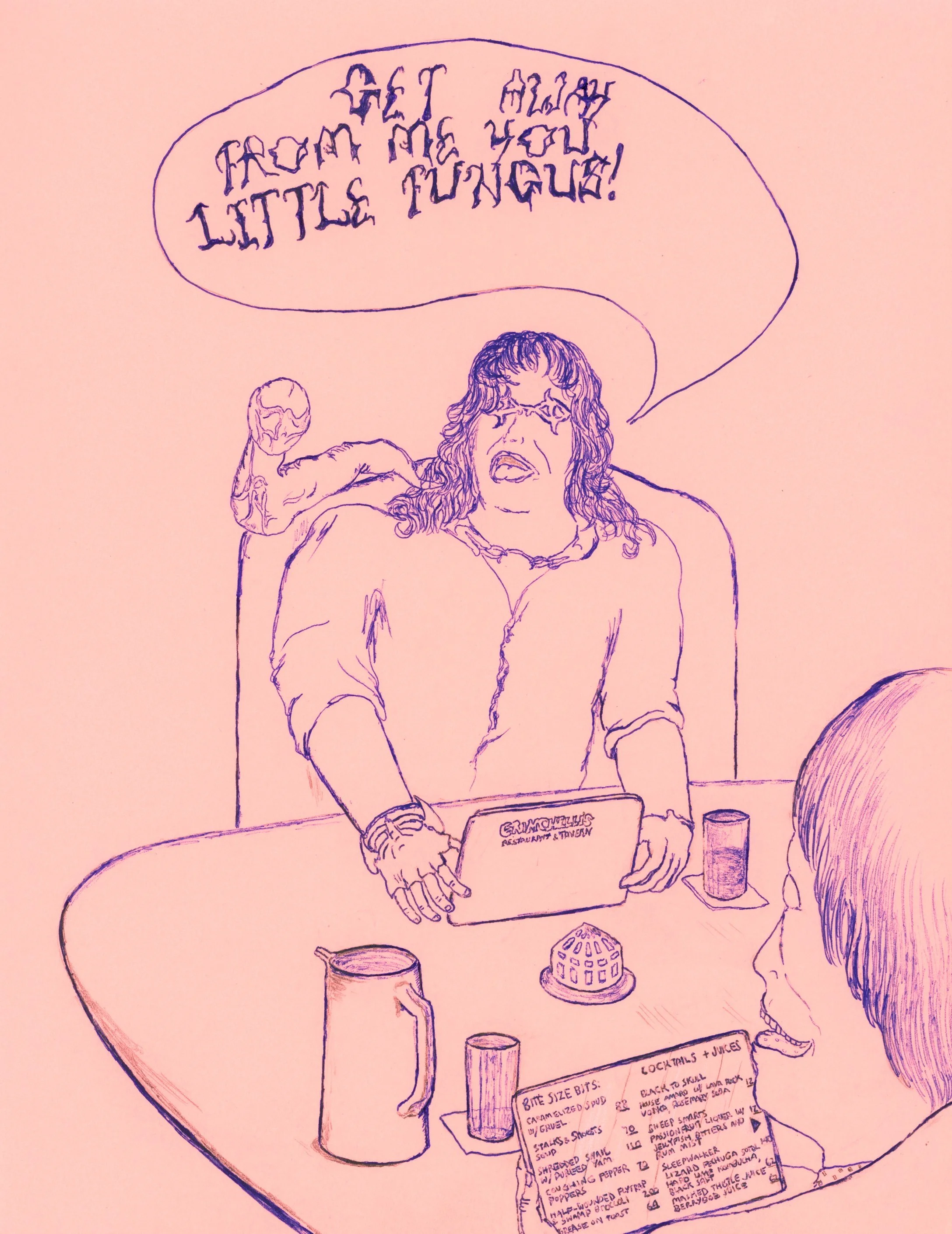
Matt Lock (b. 1984)
Crawled Outta His Hair At Grimchelli's, 2025
ink and pencil on paper
11 x 8½ in.
27 x 21 cm
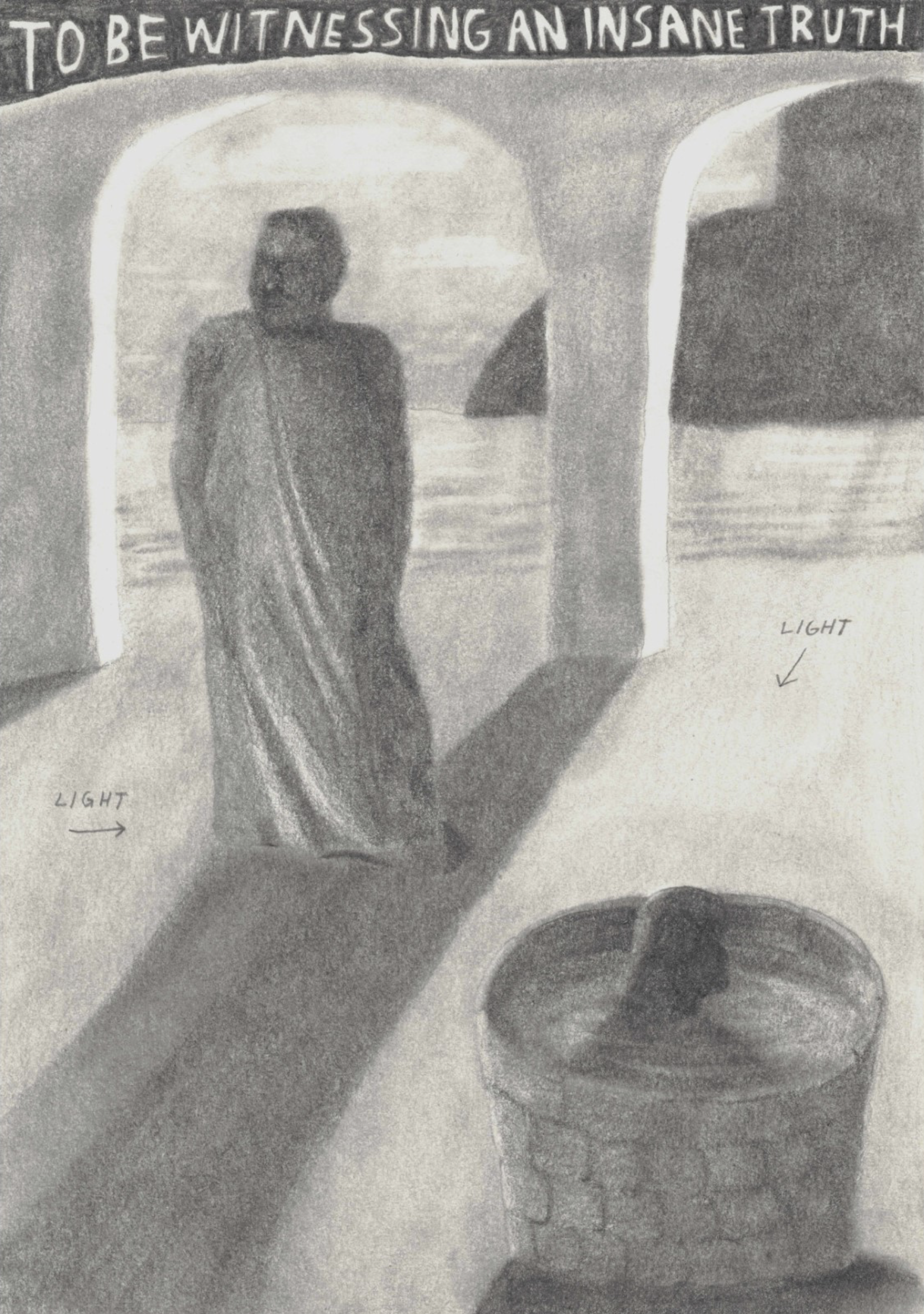
June Gutman (b. 1995)
In Sane Truth, 2025
pencil on paper
11⅜ x 8⅛ in.
29 x 20 cm
Courtesy of Kishka Gallery & Library

L.W.D. (b. 1957)
Me Against Me #2, 2025
oil on canvas
20 x 16 x ½ in.
50 x 40 x 1 cm
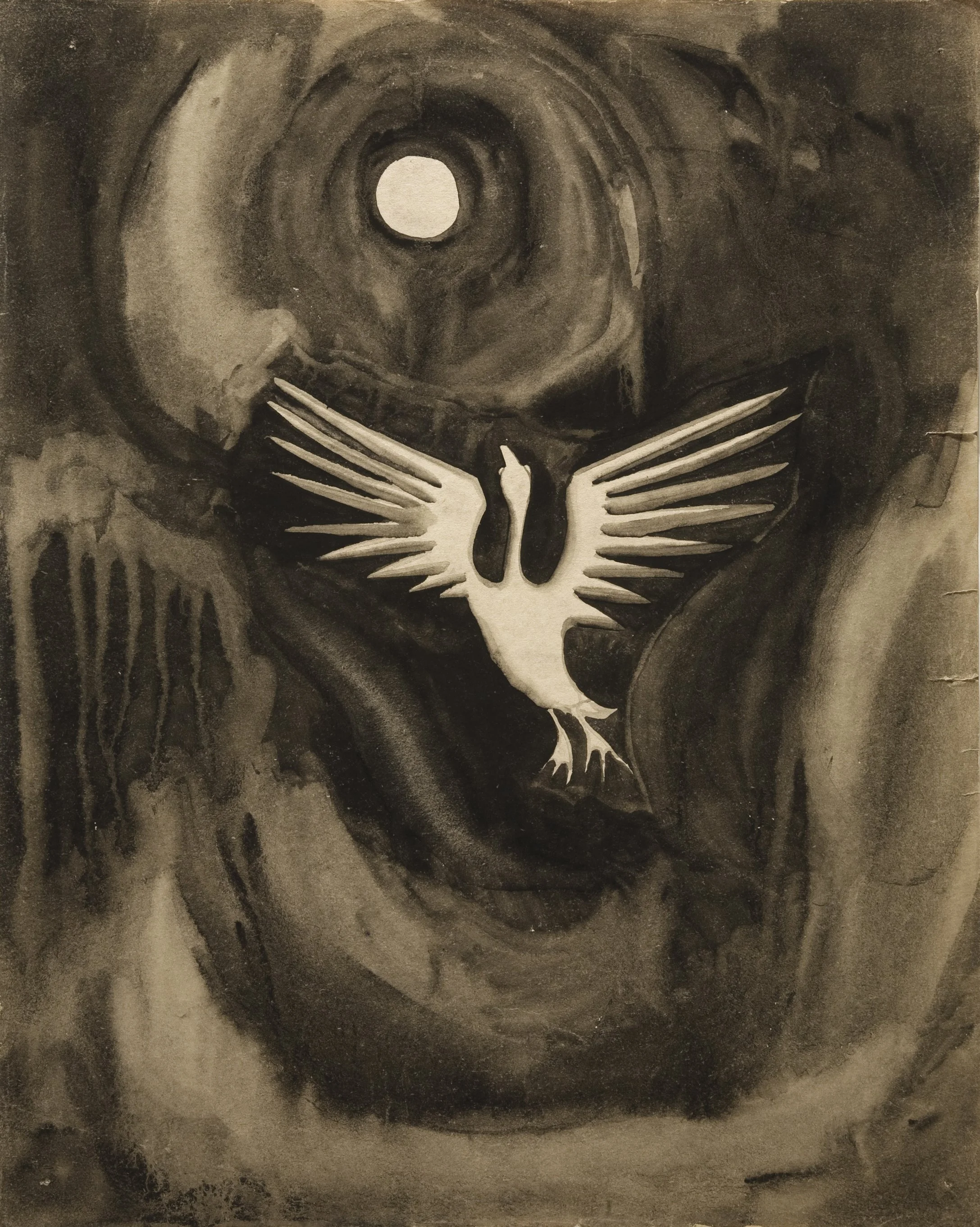
Mary Bishop (1914-1990)
Untitled, 1958
poster paint on paper
22 x 18 in.
55 x 45 cm
Adamson Collection/Wellcome Collection. Courtesy of Wellcome Collection.
Copyright Adamson Collection Trust
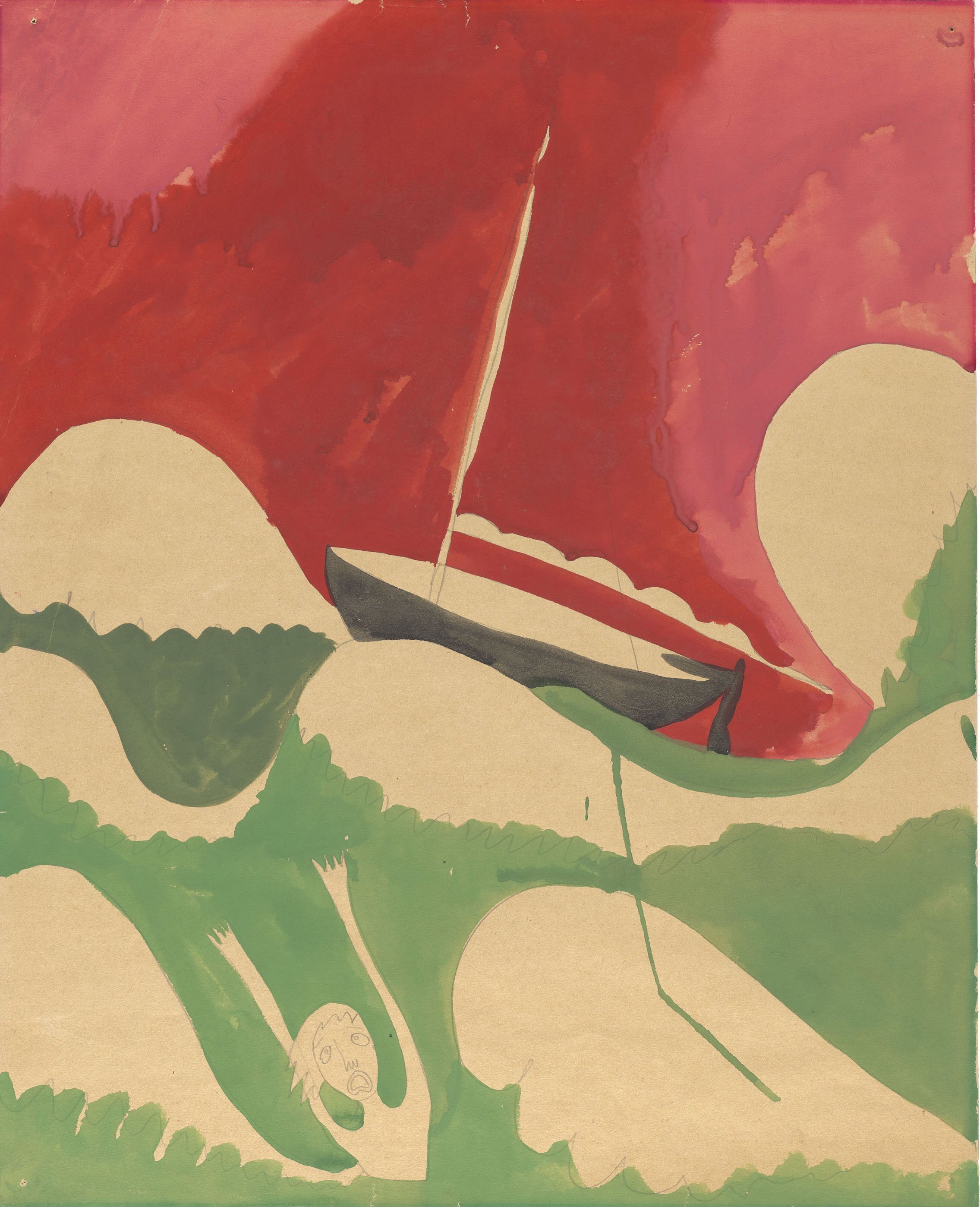
Mary Bishop (1914-1990)
Drowning, 1970
poster paint on paper
22 x 0 x 18 in.
55 x 0 x 45 cm
Adamson Collection/Wellcome Collection. Courtesy of Wellcome Collection.
Copyright Adamson Collection Trust

L.W.D. (b. 1957)
Morning Encounter, 2025
oil on canvas
16 x 20 x ½ in.
40 x 50 x 1 cm
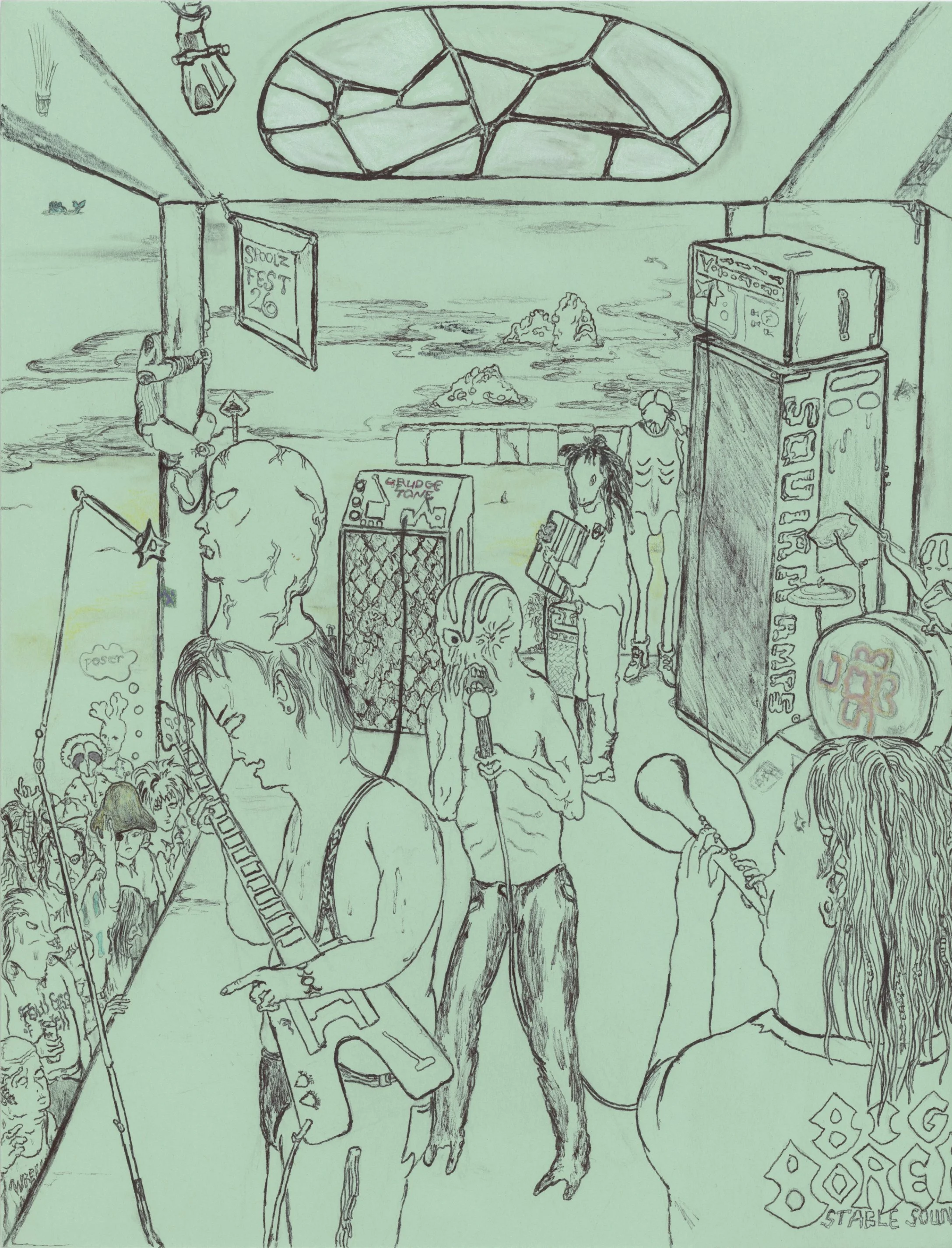
Matt Lock (b. 1984)
The Babalon Working Babies, Live At Sick Beach, 2024
ink, pencil, and marker on paper
11 x 8½ in.
27 x 21 cm
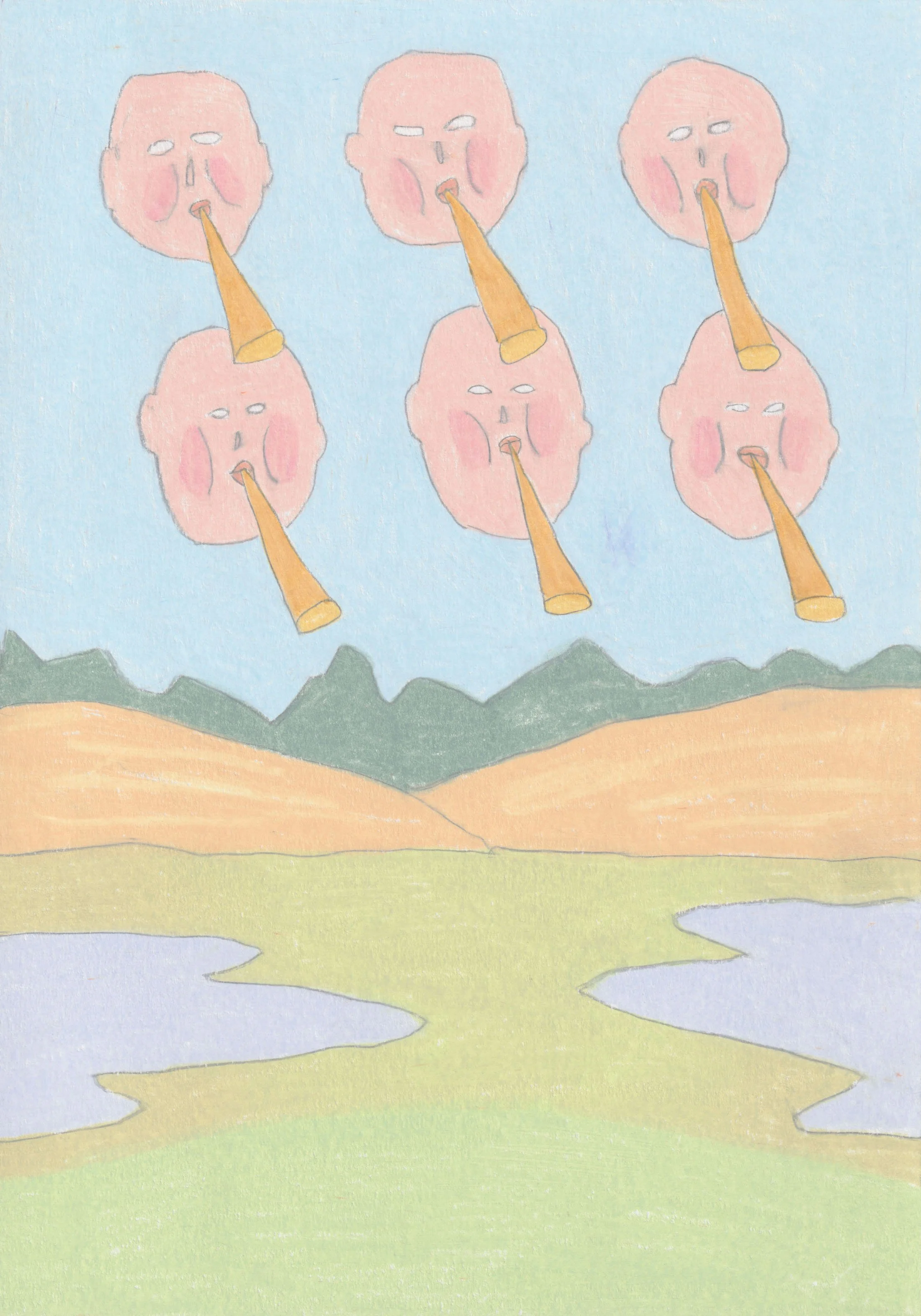
June Gutman (b. 1995)
Six Horn Babys (framed), 2023
pencil, colored pencil on paper
9 x 6 in.
22 x 15 cm
Courtesy of Kishka Gallery & Library
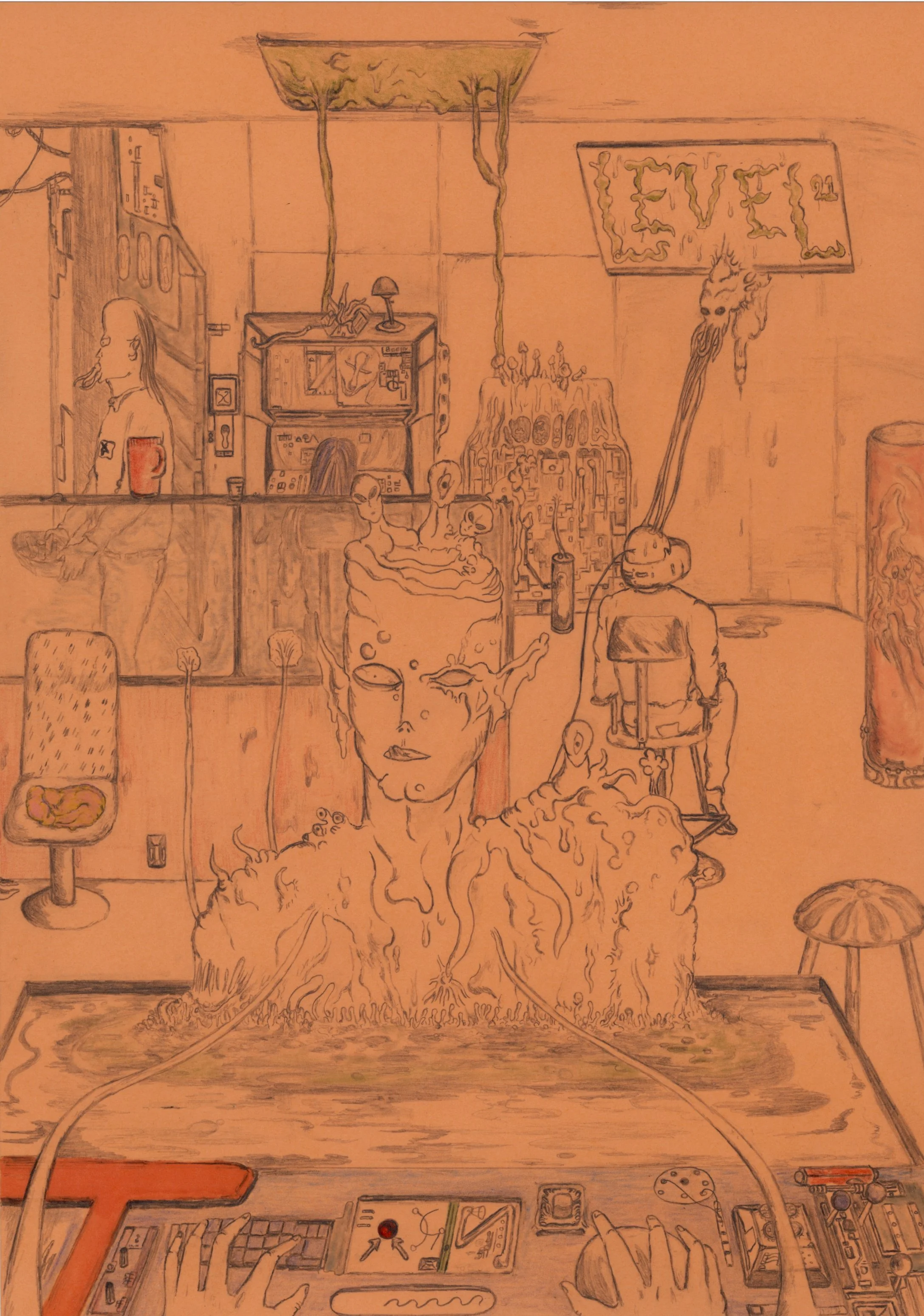
Matt Lock (b. 1984)
DIY Mutoid Grown on Self-Aware Substrate, 2018
pencil and marker on paper
11¾ x 8¼ in. | 29 x 21 cm

L.W.D. (b. 1957)
Me Against Me #3, 2025
oil on canvas
20 x 16 x ½ in.
50 x 40 x 1 cm
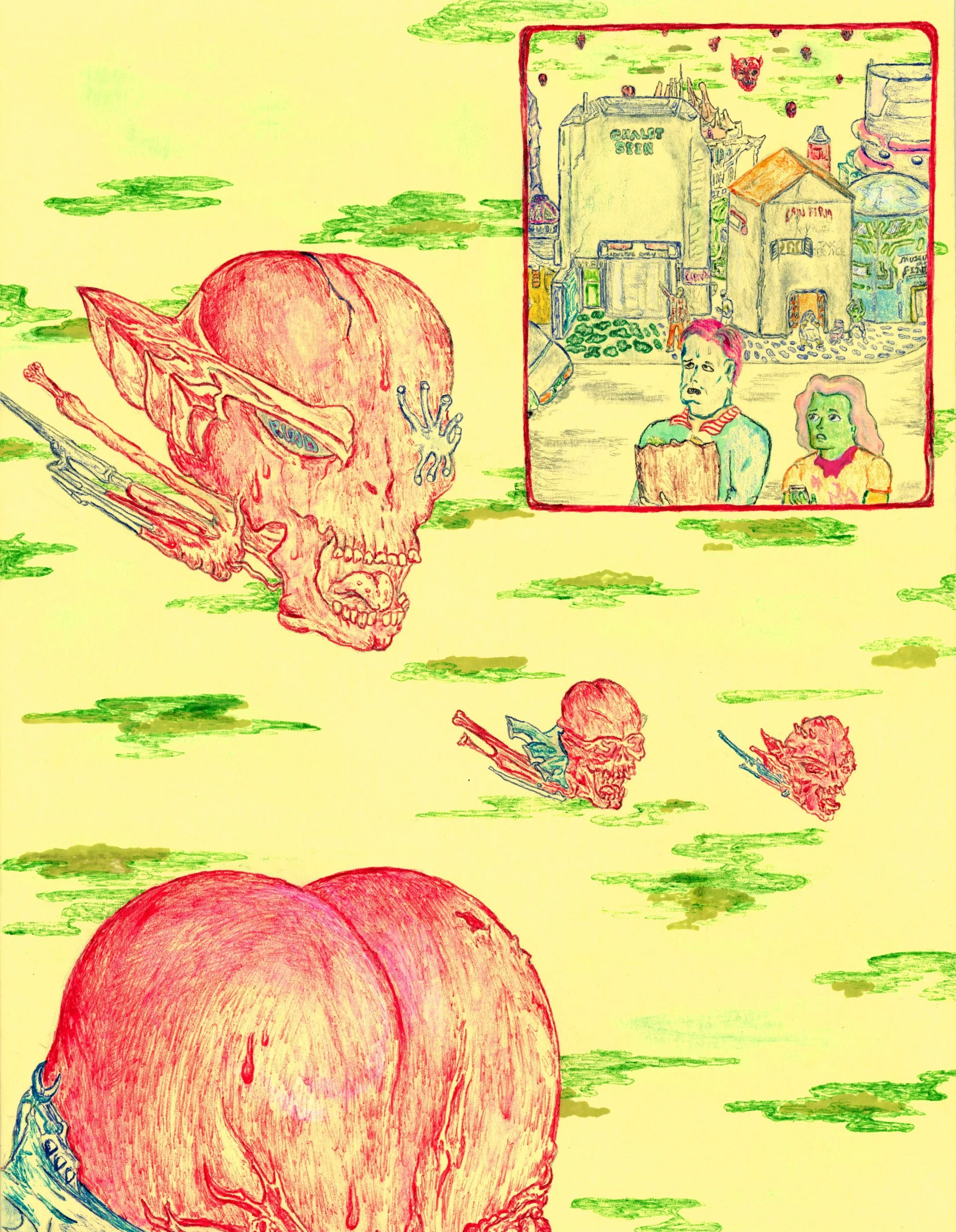
Matt Lock (b. 1984)
Errands of Misfortune, 2025
ink, pencil, and marker on chipboard
11 x 8½ in.
27 x 21 cm
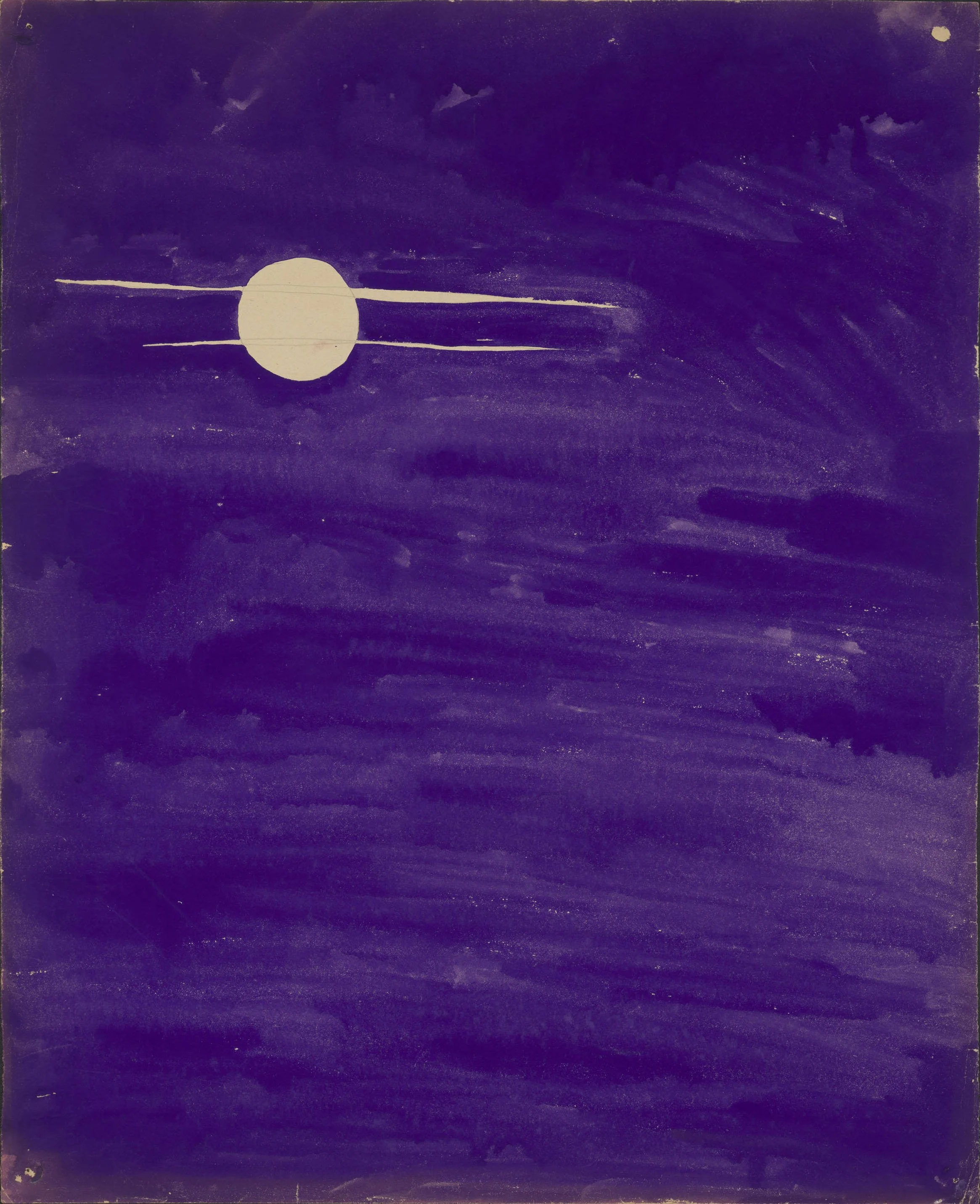
Mary Bishop (1914-1990)
Purple Moon, 1967
poster paint on paper
22 x 18 in.
55 x 45 cm
Adamson Collection/Wellcome Collection. Courtesy of Wellcome Collection.
Copyright Adamson Collection Trust

L.W.D. (b. 1957)
Wacky Races, 2025
oil on canvas
20 x 16 x ½ in.
50 x 40 x 1 cm
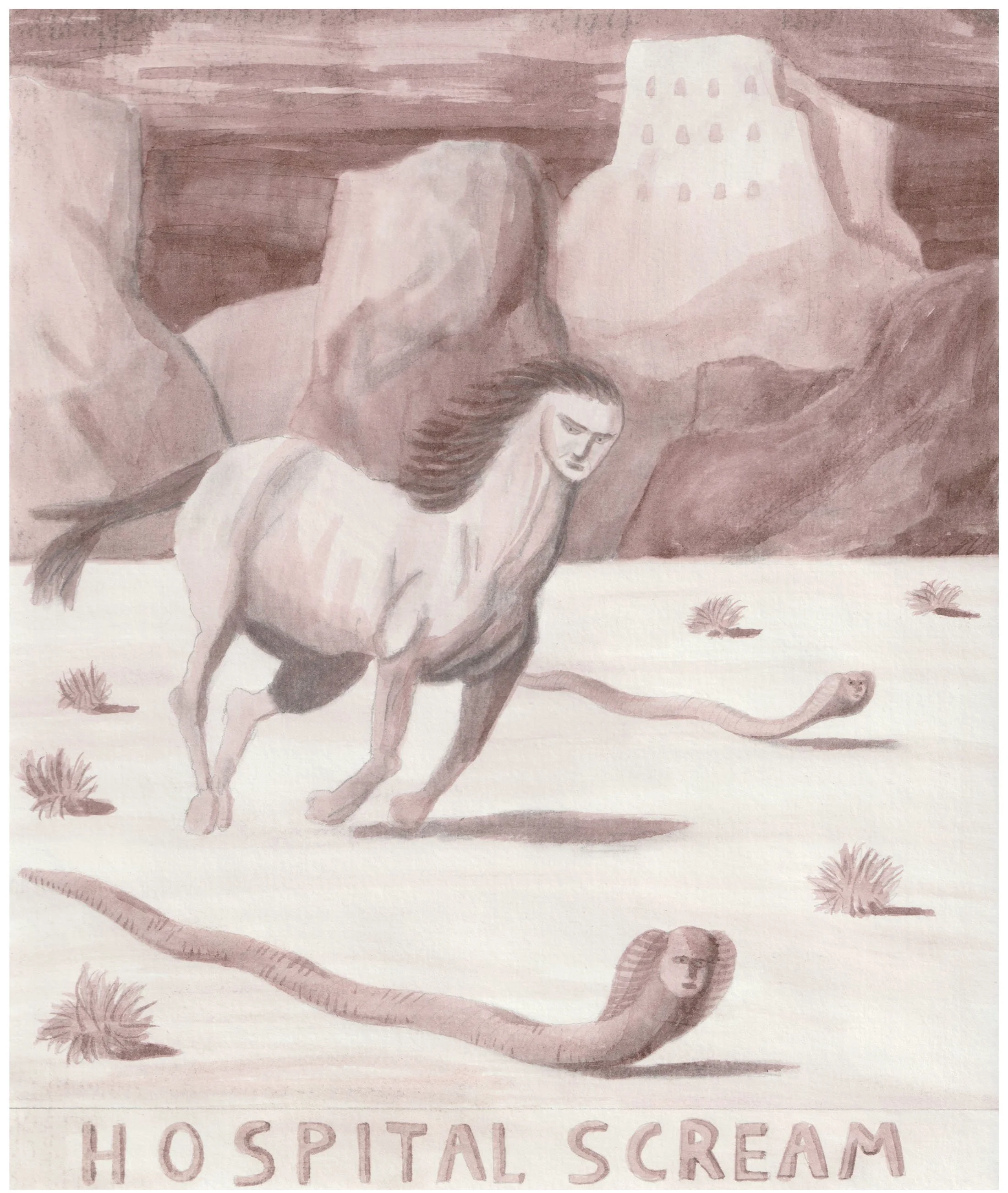
June Gutman (b. 1995)
Hospital Scream, 2025
pencil, watercolor on paper
10 x 8 in.
25 x 20 cm
Courtesy of Kishka Gallery & Library
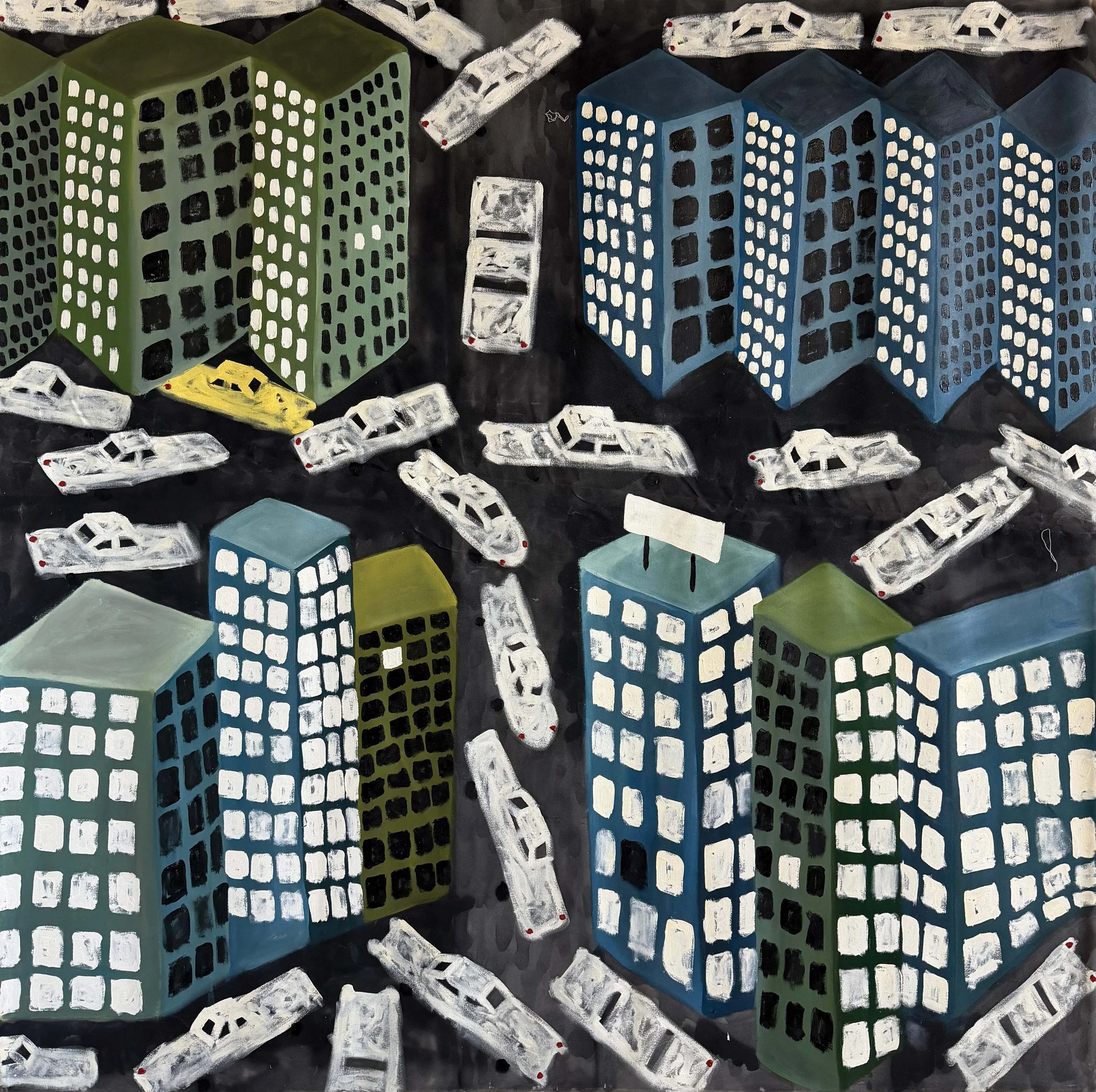
L.W.D. (b. 1957)
Downtown Babylon, 2025
oil on canvas
79 x 78 x 2 in.
200 x 198 x 5 cm
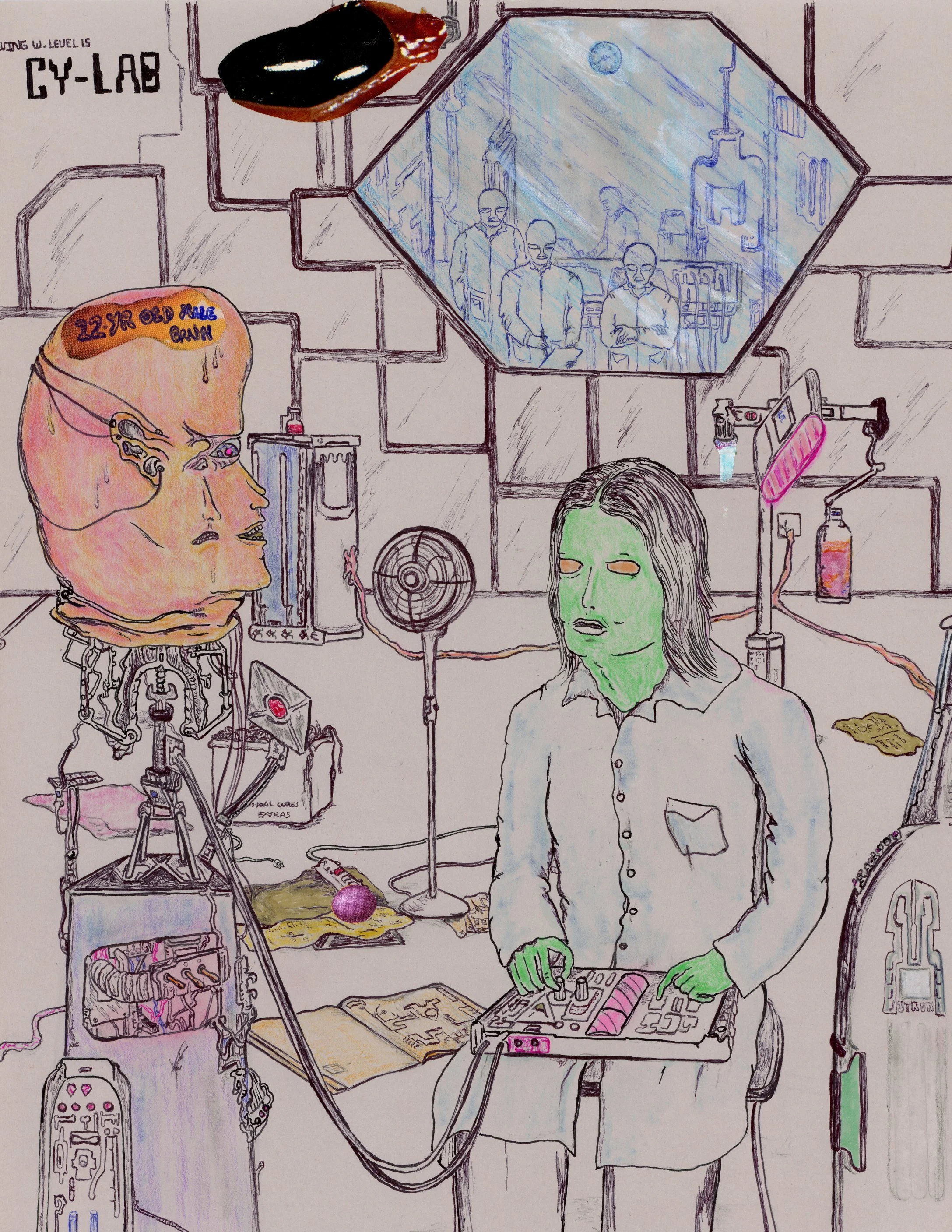
Matt Lock (b. 1984)
Self-Aware Puppet Head Goes Off, 2024
ink, pencil, marker, & collage on cardstock
11 x 8½ in.
27 x 21 cm
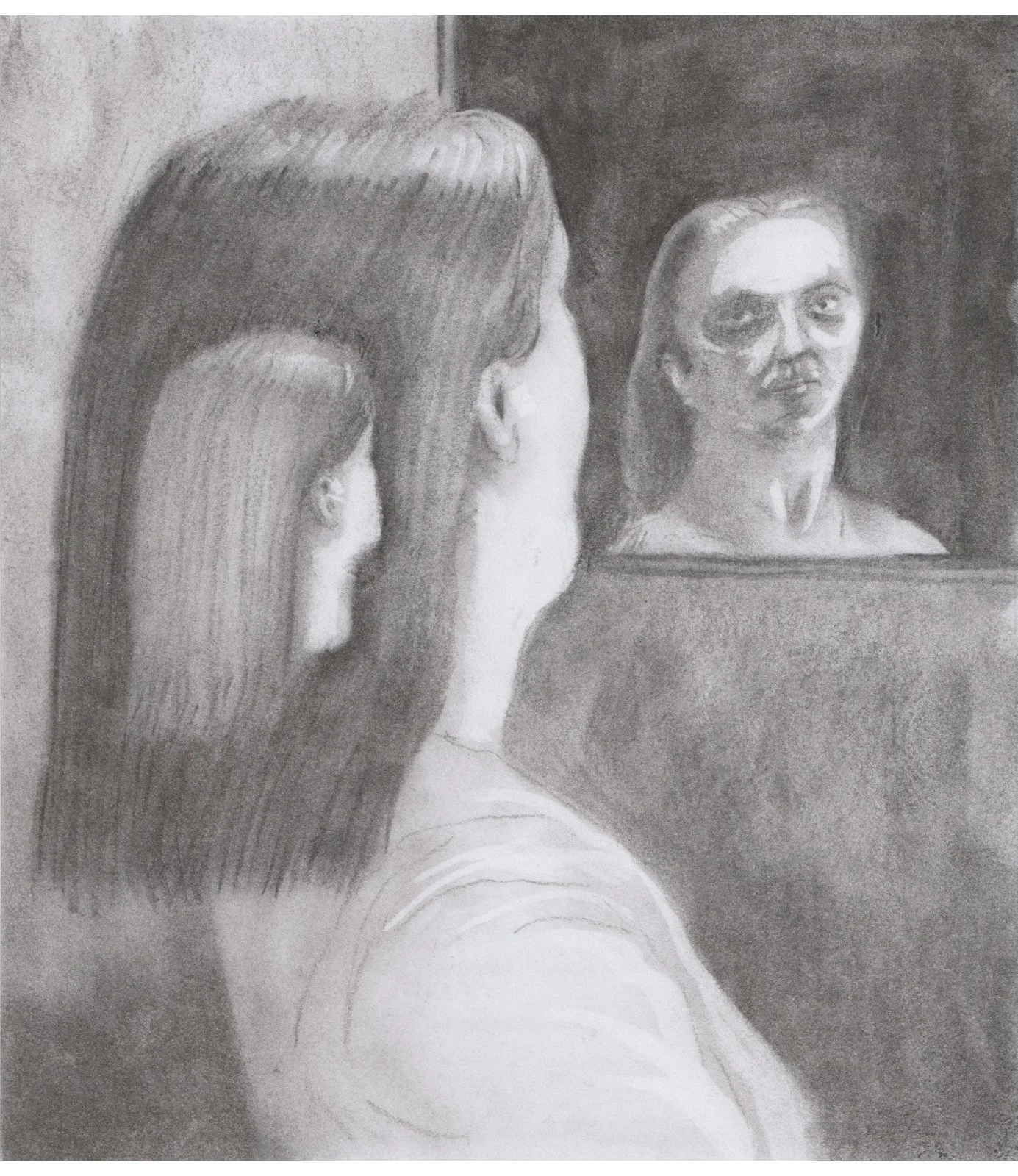
June Gutman (b. 1995)
Mirror, 2025
charcoal on paper
9 x 8 in.
22 x 20 cm
Courtesy of Kishka Gallery & Library